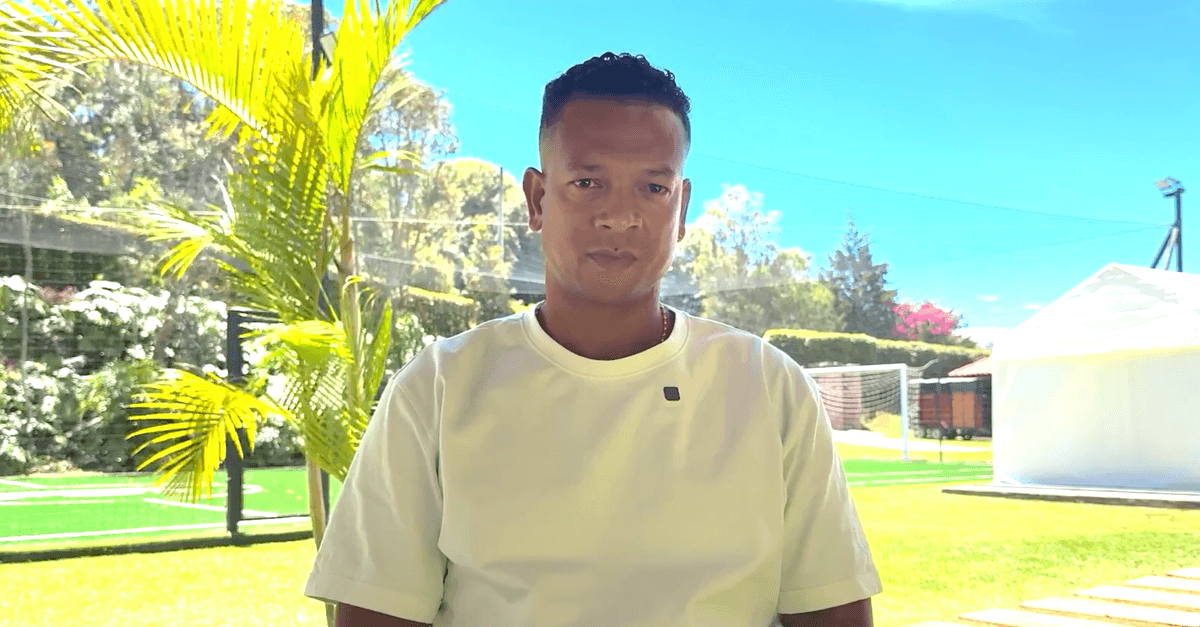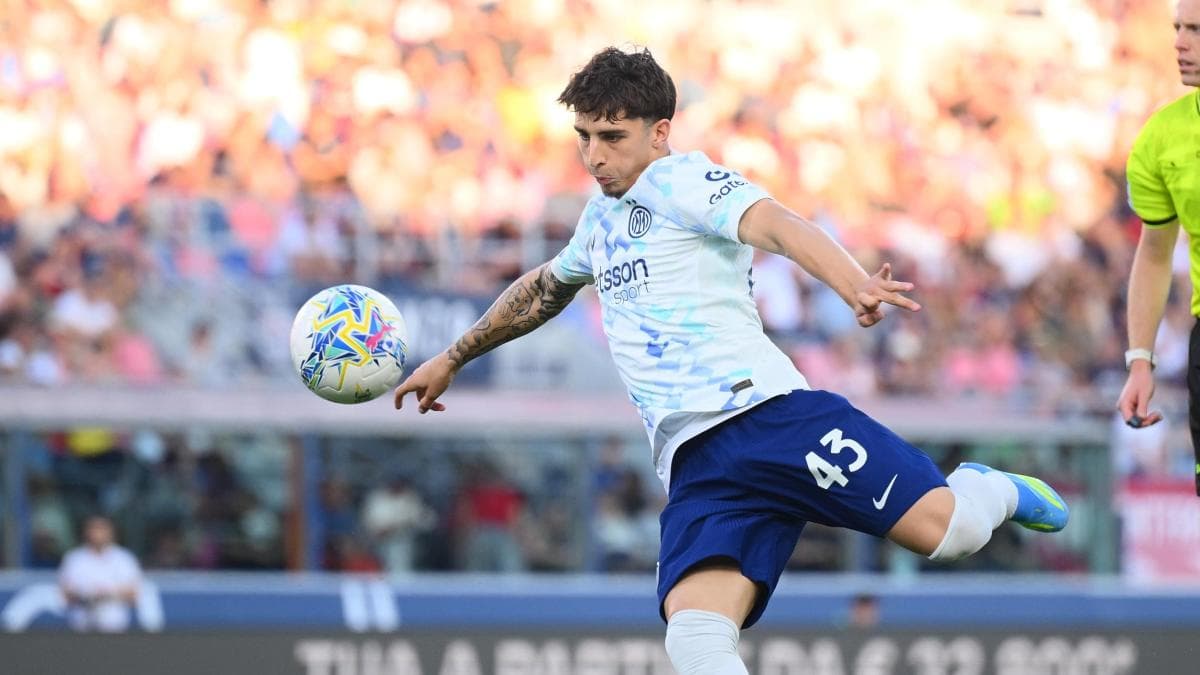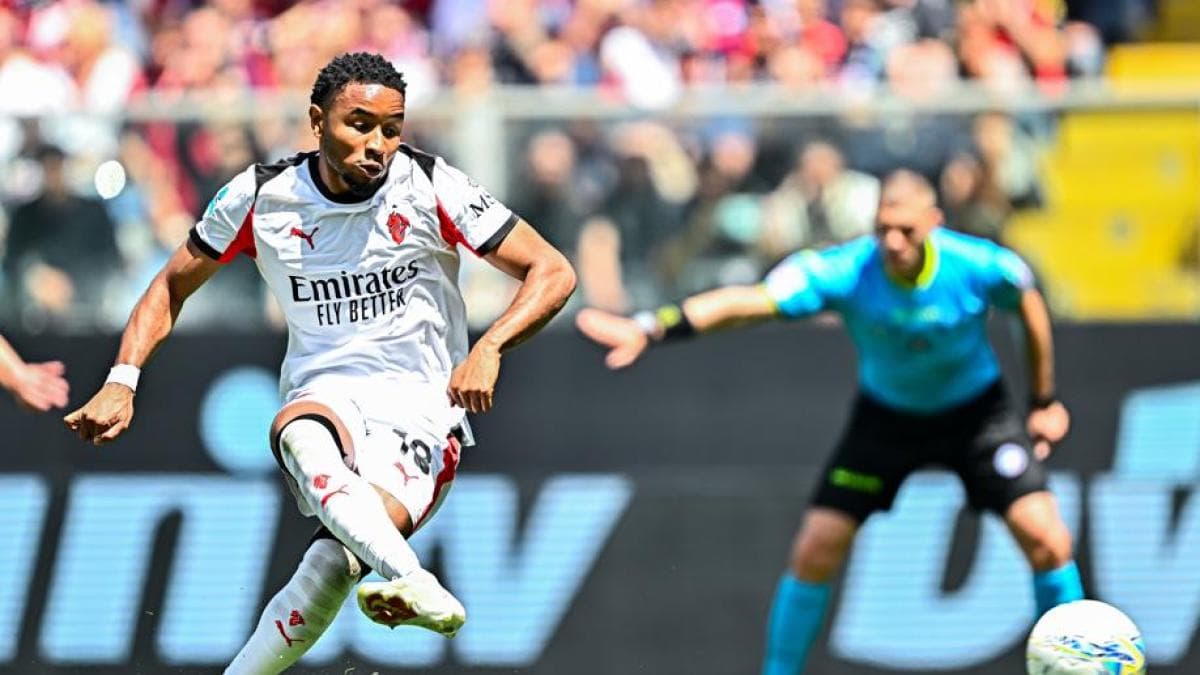
Christopher Nkunku is attempting to salvage a disappointing season with a series of impactful performances, potentially altering Milan’s plans regarding his future. The French forward has shown recent signs of form, most notably contributing to vital victories against Atalanta and Genoa, and faces a crucial final match against Cagliari with Champions League qualification on the line.
Nkunku arrived at Milan last summer after a period of being marginalized at Chelsea, missing the entirety of pre-season training. This disrupted start is cited as a significant factor in his initially underwhelming campaign. Despite this, and a perceived lack of consistent trust from coach Stefano Pioli, Nkunku’s performances have been inconsistent, alternating between promising moments and periods of little impact. He often found himself as a substitute, even when other attacking players like Rafael Leão, Noah Okafor, and Christian Pulisic struggled for form.
The turning point in Nkunku’s Milan career appears to have come during the match against Atalanta at San Siro. Despite a collective team performance that was below par, Nkunku demonstrated individual brilliance, nearly single-handedly changing the course of the game in the closing minutes. This performance was followed up with a key contribution in the win at Marassi, where he won a penalty and confidently converted it, showcasing the composure of a seasoned goalscorer.
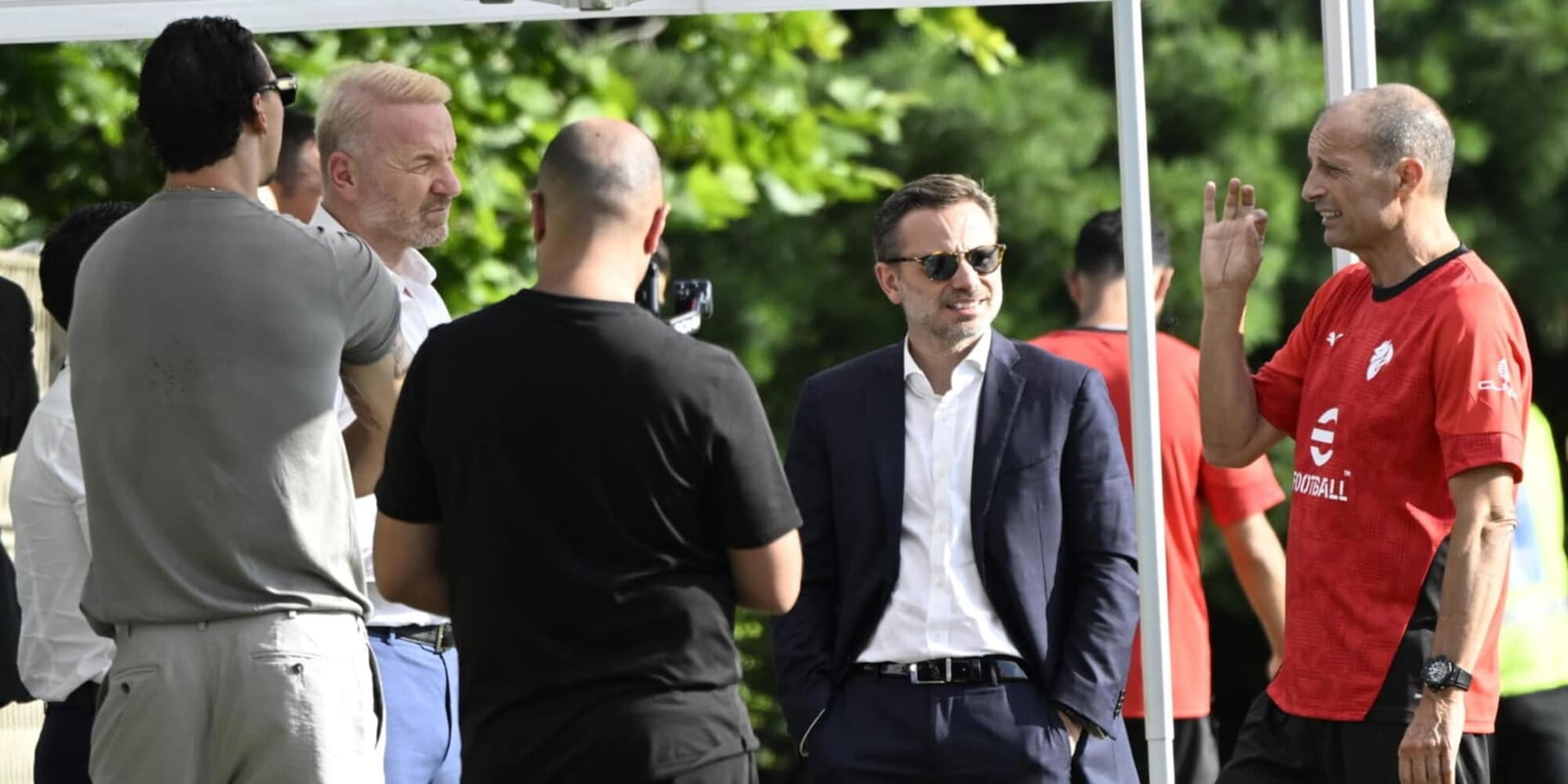
Milan’s upcoming match against Cagliari is therefore pivotal, not only for securing a Champions League spot but also for Nkunku’s long-term prospects at the club. A decisive performance could lead the club to reconsider plans that currently mark him as a potential sale. The future of Rafael Leão is also a factor, as the two players share similar attributes. Should Leão depart, Milan may be less inclined to let Nkunku leave, recognizing his value to the squad. The club is also awaiting clarity on key personnel decisions, including the appointments of a new sporting director and potentially a new coach, which could further influence their transfer strategy.