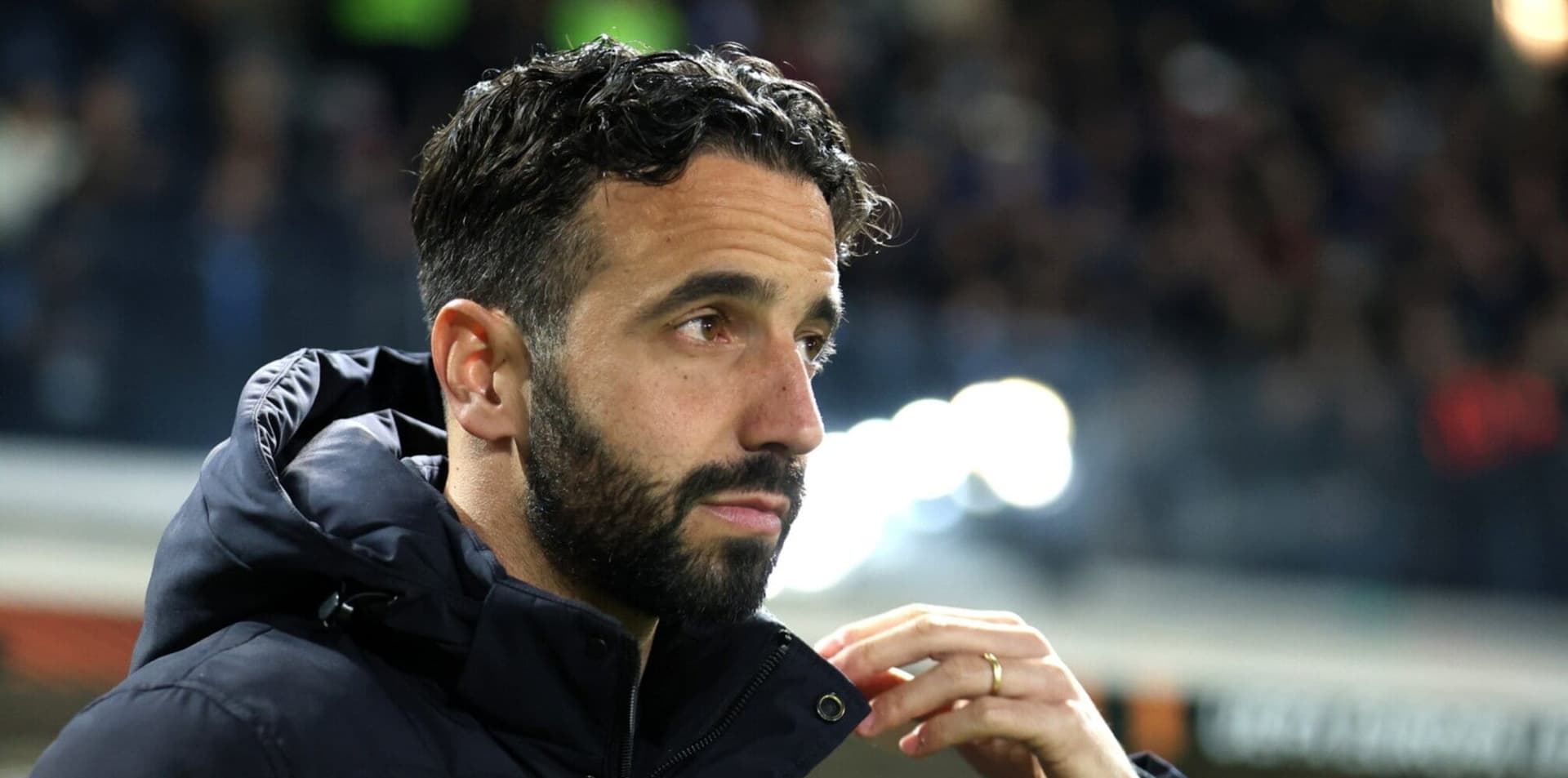
Ruben Amorim has been appointed as the new manager of AC Milan, according to reports from Milan-based news outlets. The Portuguese coach is already evaluating the current Rossoneri squad, identifying players who fit his system and those who may be deemed surplus to requirements.
Amorim is described as a pragmatic and decisive coach, differing from his predecessor Massimiliano Allegri in his commitment to a defined playing style. While not a purely attacking manager, Amorim is considered a ‘giochista’ – a coach capable of instilling a clear identity into his teams, as he demonstrated during his time at Sporting Lisbon. His tenure at Sporting saw the club consistently compete with Europe’s elite.
Tactically, Amorim is expected to implement a 3-4-2-1 or 3-4-3 formation, a departure from the 3-5-2 system favored by Allegri. He is known for his unwavering commitment to his preferred system, reportedly stating he would not change it even if asked by the Pope himself. This suggests that player recruitment will be crucial, with the club needing to acquire players suited to his specific demands.
Amorim’s system emphasizes aggression and sacrifice, requiring forwards and attacking midfielders to contribute defensively. This could present a challenge for Rafael Leao, who may need to adapt his game. The coach prioritizes winning back possession immediately after losing it, a contrast to Allegri’s more conservative approach of compacting the defense.
Furthermore, Amorim favors a direct, vertical style of play, prioritizing quick passes to forwards and wide players rather than prolonged possession. He will demand courage and quality from his goalkeeper and defenders in building from the back, even if it leads to occasional errors. Mike Maignan’s ball-playing abilities will be a significant asset in this regard.
Beyond tactics, Amorim is known for fostering a strong team spirit and protecting his players from external pressures. Following a turbulent season for Milan, this focus on creating a cohesive environment at Milanello will be vital. His time at Manchester United, where he observed Jose Mourinho’s methods, informed his belief in the importance of a unified squad.