Antonio Conte's Turbulent First Chapter as Italy Manager Revisited
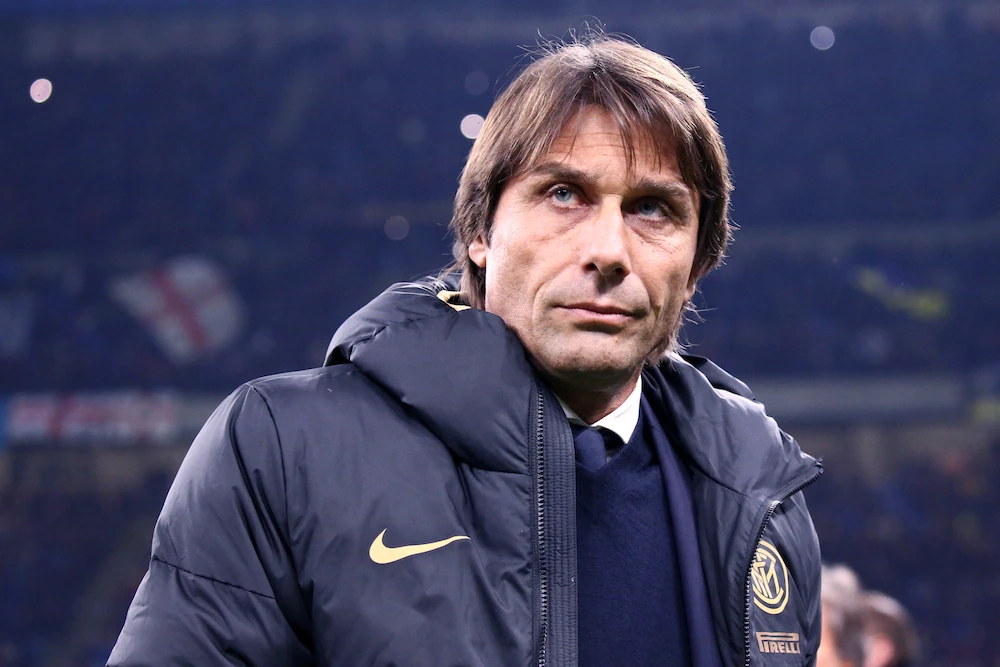
A decade after his appointment, the formative and often turbulent first chapter of Antonio Conte's tenure as Italy manager has come back into focus. Conte was officially named head coach of the Italian national team in August 2014, signing an innovative contract reportedly worth 4.5 million euros per year, according to reports at the time. His hiring followed Cesare Prandelli's resignation in the wake of Italy's humiliating group-stage exit at the 2014 World Cup in Brazil, with the federation seeking a hard-edged leader to restore pride.
Conte's arrival marked a radical shift in tone. He had just led Juventus to three consecutive Serie A titles but left the club abruptly in July, with many attributing the split to tensions over transfer market ambitions. The Italian Football Federation moved quickly, presenting him as the "commander" needed. At his presentation, Conte was unequivocal, stating, "Winning is the only thing that matters... my teams have always sought victory in a ferocious way."
The new coach immediately sought to impose his vision, demanding unprecedented collaboration from Serie A clubs. One of his first requests was for the domestic season to end by May 15 to allow for a longer pre-tournament camp ahead of Euro 2016, a plea that was ultimately ignored by the league. He also convened a meeting with all top-flight managers, from Massimiliano Allegri to Luciano Spalletti, seeking a unified approach for the national team's benefit—a dialogue that was reportedly tense but constructive.
His management style extended to bold squad decisions. He initially froze out controversial striker Mario Balotelli, recalling him only months later with a tepid endorsement. Conte also actively explored selecting *oriundi*—players eligible through Italian heritage—such as Sampdoria's Brazilian-born Eder and Palermo's Argentine-born Franco Vazquez, a policy that sparked debate and even drew criticism from fellow manager Roberto Mancini.
On the pitch, Conte implemented his signature 3-5-2 system, dismissing critics by pointing to its successful use by clubs like Bayern Munich. He emphasized sacrifice, intensity, and a collective mentality, famously coining the phrase "the Italy of 'We'" to contrast with individualistic stars like Sweden's Zlatan Ibrahimovic. "Whoever thinks with the 'I' can stay at home," he declared.
The approach yielded results. Italy qualified comfortably for Euro 2016 and delivered a spirited performance at the tournament itself, famously defeating Belgium and Spain before losing on penalties to Germany in the quarter-finals. That campaign rebuilt the team's identity and restored public enthusiasm after the World Cup despair.
Conte's two-year reign ended after that European Championship, as he had already agreed to join Chelsea. His tenure, though brief, is now remembered for its intense, foundational work that recalibrated the team's culture. The current speculation linking him with a return to the national team underscores the lasting impact of that first, tumultuous assignment, which set a template for the high-intensity, no-excuses ethos that has since become his trademark.