Legendary Manager Mircea Lucescu Dies Aged 80
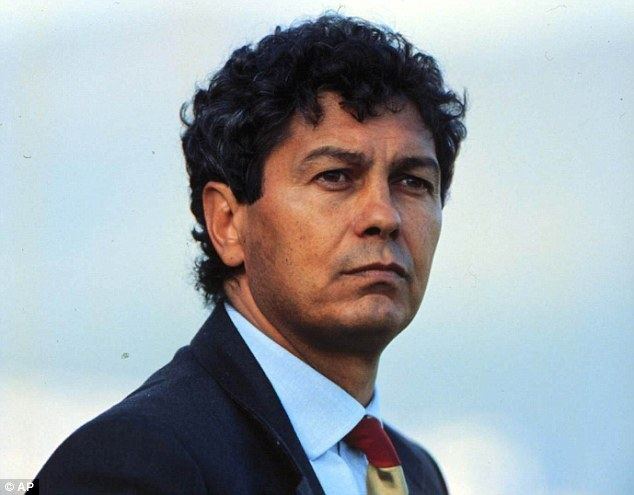
Mircea Lucescu, the visionary Romanian football manager who won 36 trophies across eight clubs, has died at the age of 80. He passed away on Monday evening at the University Hospital in Bucharest after suffering a heart attack a week prior, according to reports from Romania. Lucescu had been in an induced coma for over 24 hours.
Lucescu’s managerial career spanned over four decades, leaving a profound mark on clubs in Italy, Ukraine, Turkey, and his native Romania. He was best known for a transformative 12-year spell at Shakhtar Donetsk, where he built a dominant side, won the 2009 UEFA Cup, and oversaw a revolutionary recruitment strategy focused on Brazilian talent. His coaching philosophy, which emphasized tactical education and possession football, was ahead of its time.
In Italy, where he spent much of the 1990s, Lucescu managed Pisa, Brescia, Reggiana, and Inter Milan. His stint at Inter in 1998 was brief, but his work at Brescia is remembered for developing future stars like Andrea Pirlo, whom he handed a debut at just 16 years old. Lucescu was a profound influence on countless players, demanding not only tactical intelligence but also cultural education, famously taking his squads to visit museums and historical sites on away trips.
His innovative approach began early. While managing Dinamo București in the 1980s under the Ceaușescu regime, he pioneered match analysis by stationing students around the stadium to manually track player movements. This meticulous attention to detail became a hallmark of his career. He later replicated this success in Ukraine, dismantling the long-held tactical dominance of Dynamo Kyiv with his Shakhtar side, which earned him a statue outside the Donbass Arena.
Lucescu’s final role was as head coach of the Romanian national team, a position he held until 2024. He returned to the dugout for the 2026 World Cup qualifying campaign at 80 years old, demonstrating a lifelong dedication to the game. His son, Răzvan Lucescu, is also a highly respected manager, currently in charge of PAOK in Greece.
The football world has lost a true original, a coach who valued ideas over rigid systems and believed in developing complete footballers and people. His legacy lives on through the hundreds of players he mentored and the tactical innovations that have since become standard in the modern game. Tributes from across Europe have begun pouring in for a man who was, for many, the Nikola Tesla of football.