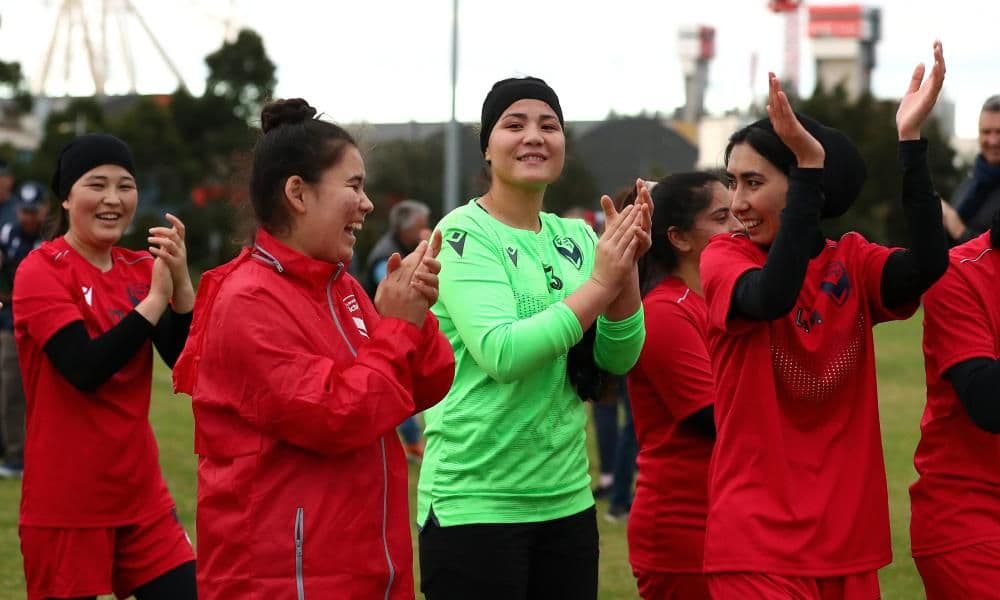
FIFA has approved a regulatory reform that opens the door for the exiled Afghan women's national football team to be recognized and compete in official international matches. The world governing body's council adopted the amendment at a meeting in Vancouver on Tuesday, in agreement with the Asian Football Confederation, allowing for the recognition of a national or representative team "in exceptional circumstances." This change directly addresses the plight of the Afghan women's side, which was dissolved following the Taliban's return to power in August 2021.
The Taliban's ban on women's sports forced the national team players into exile. The group, now operating under the name Afghan Women United and under FIFA's protection, has been unable to represent Afghanistan officially for nearly three years. According to reports, the team is scheduled to hold a training camp in New Zealand from June 1 to 9, where a match against the Cook Islands is planned, potentially marking a significant step in their return to competitive football.
In a statement, FIFA confirmed it will initiate the necessary steps for "the registration of the team and the establishment of an operational and sporting structure." The global body pledged to make "all necessary resources available – human, technical and financial – to ensure a safe, professional and sustainable path to official competition." This move represents a formal institutional pathway to restore the team's status, which had been in a state of limbo since the Taliban takeover.
The reform provides a legal framework for FIFA to support teams representing nations in crisis, where normal sporting structures have collapsed due to conflict or political change. The Afghan women's team has continued to train and advocate for their right to play while based outside their home country. Their situation highlights the broader challenges faced by female athletes under the Taliban regime, which has severely restricted women's participation in public life, including sports.
This development could serve as a precedent for other national teams facing similar political barriers to recognition. For the Afghan players, it offers a tangible route back to the international stage, providing structure, funding, and the legitimacy required for competitive fixtures. The planned camp and match in June will be a critical test of the new framework's practical implementation, marking what many hope will be a new chapter for women's football in Afghanistan, even if played from afar.