Gennaro Gattuso resigns as Italy manager after World Cup qualification failure
Gennaro Gattuso has resigned from his position as head coach of the Italian national team following their failure to qualify for the 2026 FIFA World Cup. The Italian Football Federation (FIGC) confirmed the departure, which comes in the wake of Italy's defeat to Bosnia and Herzegovina in a final qualifying playoff. The federation's president, Gabriele Gravina, and delegation head Gianluigi Buffon have also stepped down from their roles.
Italy's elimination was confirmed after a 1-1 draw in Zenica, with Bosnia prevailing 4-1 in a penalty shootout. This marks the third consecutive World Cup the four-time champions will miss, a profound disappointment for a nation that won the European Championship just three years ago. The fallout from the failed campaign has been swift and significant, triggering a complete leadership overhaul at the FIGC.
According to a report from the Italian newspaper La Repubblica, the buildup to the crucial playoff was marred by internal discord. The publication claims that several players inquired about the qualification bonus—estimated at 300,000 euros per player—ahead of the match against Bosnia. It is alleged that Gattuso himself intervened to state that such a request was inappropriate on the eve of a decisive fixture. The FIGC has not publicly commented on these specific allegations.
Further controversy emerged when a video circulated online appearing to show Italian players celebrating Bosnia's earlier playoff victory over Wales, a result that set up the fateful final qualifier. These incidents have contributed to a narrative of a distracted squad lacking the necessary focus for the task at hand, compounding the sporting failure with accusations of poor professionalism.
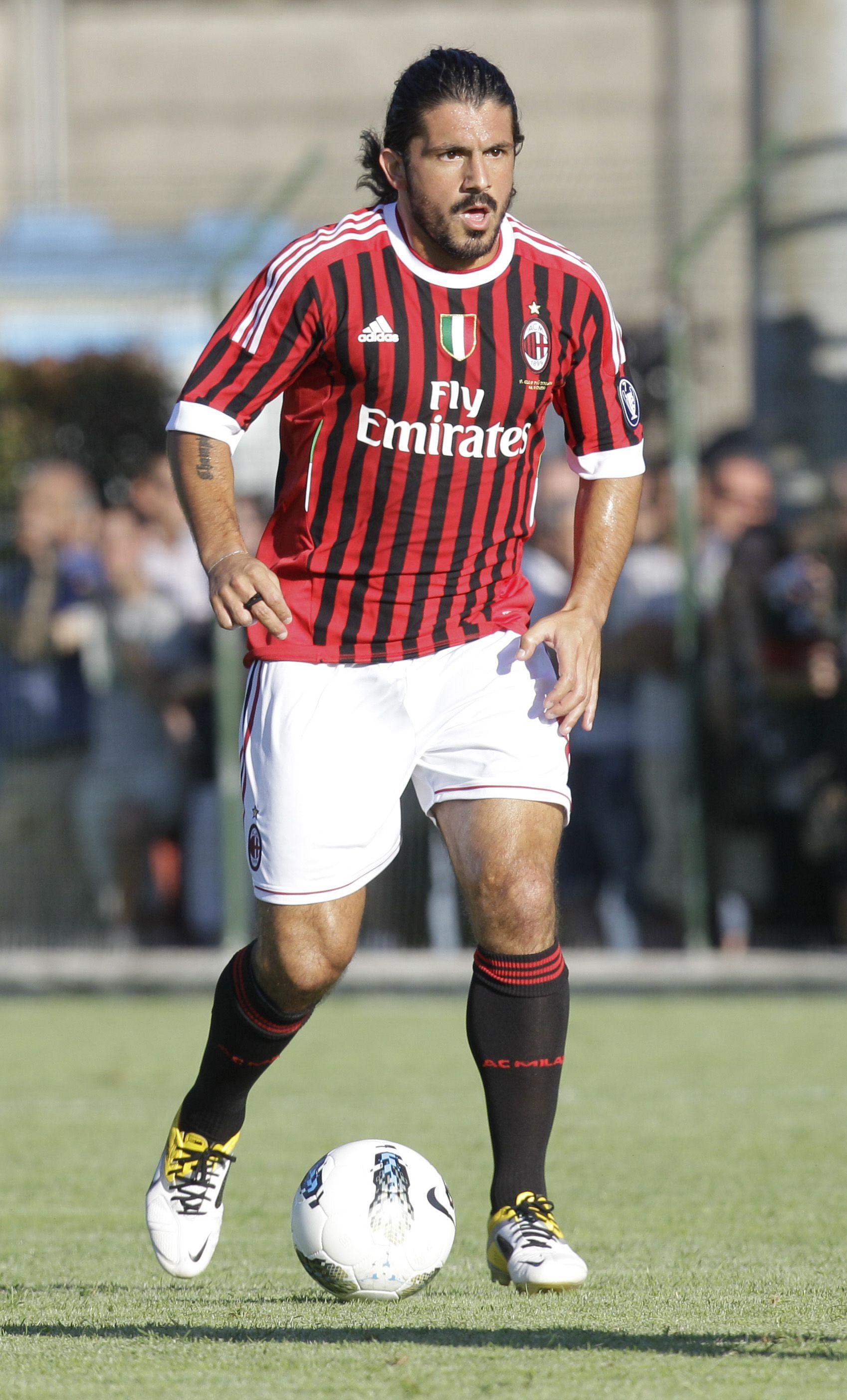
Gattuso's tenure was brief and ultimately defined by this single, catastrophic result. The former AC Milan and Napoli manager, known for his fierce competitive spirit as a player, was unable to translate that intensity into a successful qualifying campaign. His exit leaves the Azzurri in a state of deep introspection as they face a prolonged period without major tournament football.
The federation must now appoint a new president, with an election scheduled for June, who will then lead the search for a permanent successor to Gattuso. The immediate sporting calendar offers little respite, with only a pair of friendlies on the horizon this summer. The long-term implications are stark, as Italian football grapples with a systemic crisis that has now manifested in repeated failures on the international stage. The task for the next regime will be to rebuild not just a team, but the fractured culture and credibility of the national setup.