Juventus duo arrested in Brazil during 1951 friendly match
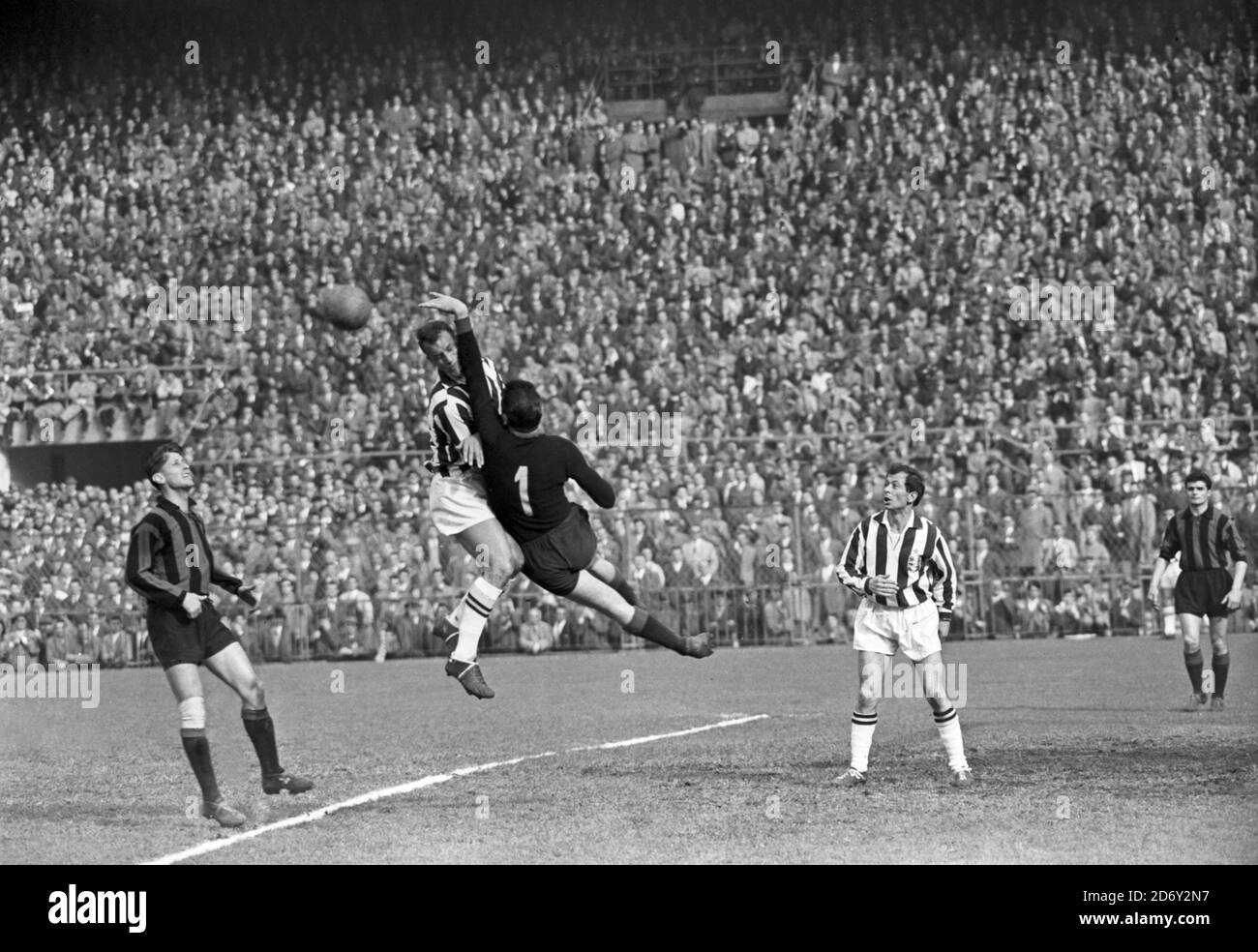
Juventus players Ermes Muccinelli and Giovanni Viola were arrested by police in São Paulo, Brazil, in July 1951 following an on-pitch brawl during a friendly match against Austria Vienna. According to a report from SerieANoir, the incident occurred during the 'Tournament of Champions', a pre-season tour where the Bianconeri were representing Italy. The two players were detained for three hours at a local police station on charges of insulting the referee and resisting a public official, before eventually being released following the intervention of the Italian consul.
The altercation took place during a match that was part of an ambitious eight-team tournament featuring clubs like Palmeiras, Vasco da Gama, Nacional Montevideo, and Red Star Belgrade. Juventus had taken the place of AC Milan, the reigning Italian champions, who had declined the invitation to participate. The tournament was a significant undertaking for its time, predating formalized continental club competitions.
Ermes Muccinelli, a winger, was a key figure for Juventus in that era, known for his pace and technical ability. Goalkeeper Giovanni Viola was also an established member of the squad. Their detention caused a significant diplomatic incident mid-tour, throwing the club's preparations into disarray. The report details that the players initially resisted the arresting officers but were quickly subdued and taken from the dressing rooms to a waiting car.
The three-hour detention left the pair fearing a prolonged stay in a Brazilian jail due to bureaucratic delays or the whims of a local police commissioner. Their release was secured only after the Italian diplomatic corps intervened on their behalf. This episode remains a curious footnote in the history of Juventus's extensive global tours, highlighting the less-regulated nature of international football in the early 1950s.
No long-term sporting consequences arose from the arrest, and both players continued their careers with Juventus. The incident did not prevent the club from continuing its tour, though it undoubtedly served as a stark warning about conduct abroad. Such pre-season tours were crucial for club finances and building a global brand, even in that era, making any disruption a serious concern for the management.