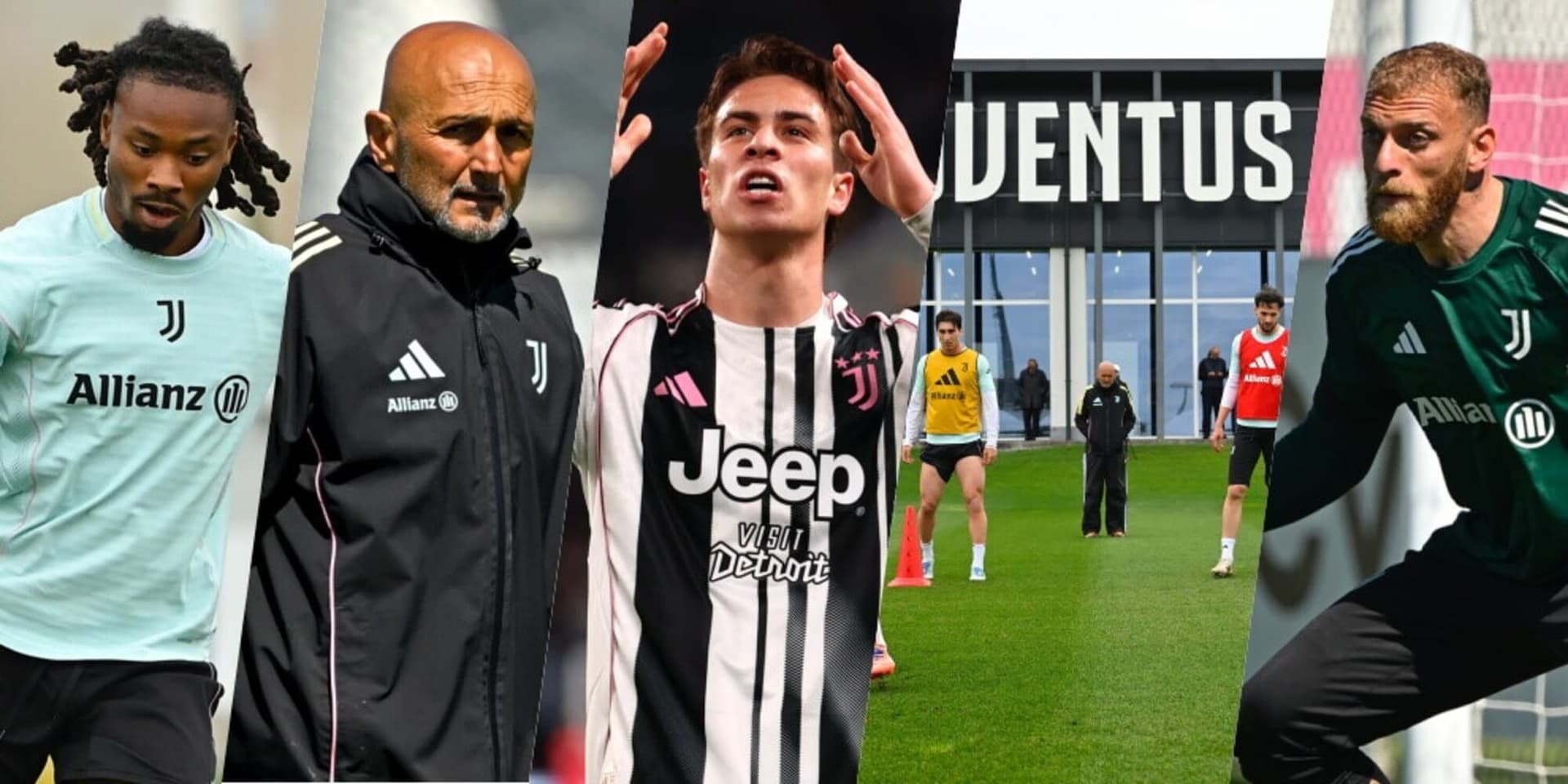
Juventus are prepared to invest in strengthening their squad for the upcoming season, regardless of their participation in the Champions League or Europa League, according to reports from the club. Despite missing out on Champions League revenue – estimated between €55 and €60 million – the Bianconeri have implemented a financial recovery plan that is showing positive results.
The club’s financial performance has steadily improved in recent years, moving from a loss of €239 million in 2021-22 to €199 million in 2023-24, and projected to reach €58 million in 2024-25. This improvement will be further aided by a one-time indemnity payment from IMG for past television rights, exceeding €20 million, which will positively impact the balance sheet. Crucially, the club has focused on managing costs and increasing revenue.
Over the past three to four years, Juventus have reduced expenses by approximately €150 million, and player salaries have decreased by a further €10 million in the first half of the 2025-26 season. Contract expiries for players like Dusan Vlahovic, Filip Kostic, and Federico Rugani, alongside contract renewals with amortized payments, are expected to reduce costs by an additional €20-30 million by the 2026-27 season. The club is also actively managing player loans, a previously problematic area.
To offset the revenue loss from not being in the Champions League, Juventus aim to increase player trading revenue. While they have averaged €60 million in player sales in recent years, they are targeting close to €100 million in 2026-27. The club also anticipates increased revenue from stadium premium seating and sponsorships, but player sales will be vital. Juventus currently meets UEFA and FIGC financial fair play regulations, including the squad cost ratio and the broader cost of employment. They are also addressing past losses through a settlement agreement with UEFA, which will involve a fine and a repayment plan over three to four years.
The club believes they are well-positioned to make necessary acquisitions to meet the ambitions of the fanbase, avoiding a negative cycle where financial constraints impact sporting competitiveness and revenue growth. Juventus CEO Damien Comolli has been central to this financial restructuring.