Klinsmann Criticizes Italian Football's Youth Development
Former Germany international Jürgen Klinsmann has launched a scathing critique of Italy's youth development system, suggesting that the current crisis of the national team is a direct result of a failure to trust young players. The 1990 World Cup winner, who played for Inter Milan and Sampdoria during his career, made the comments in an interview with Rai, the Italian state broadcaster.
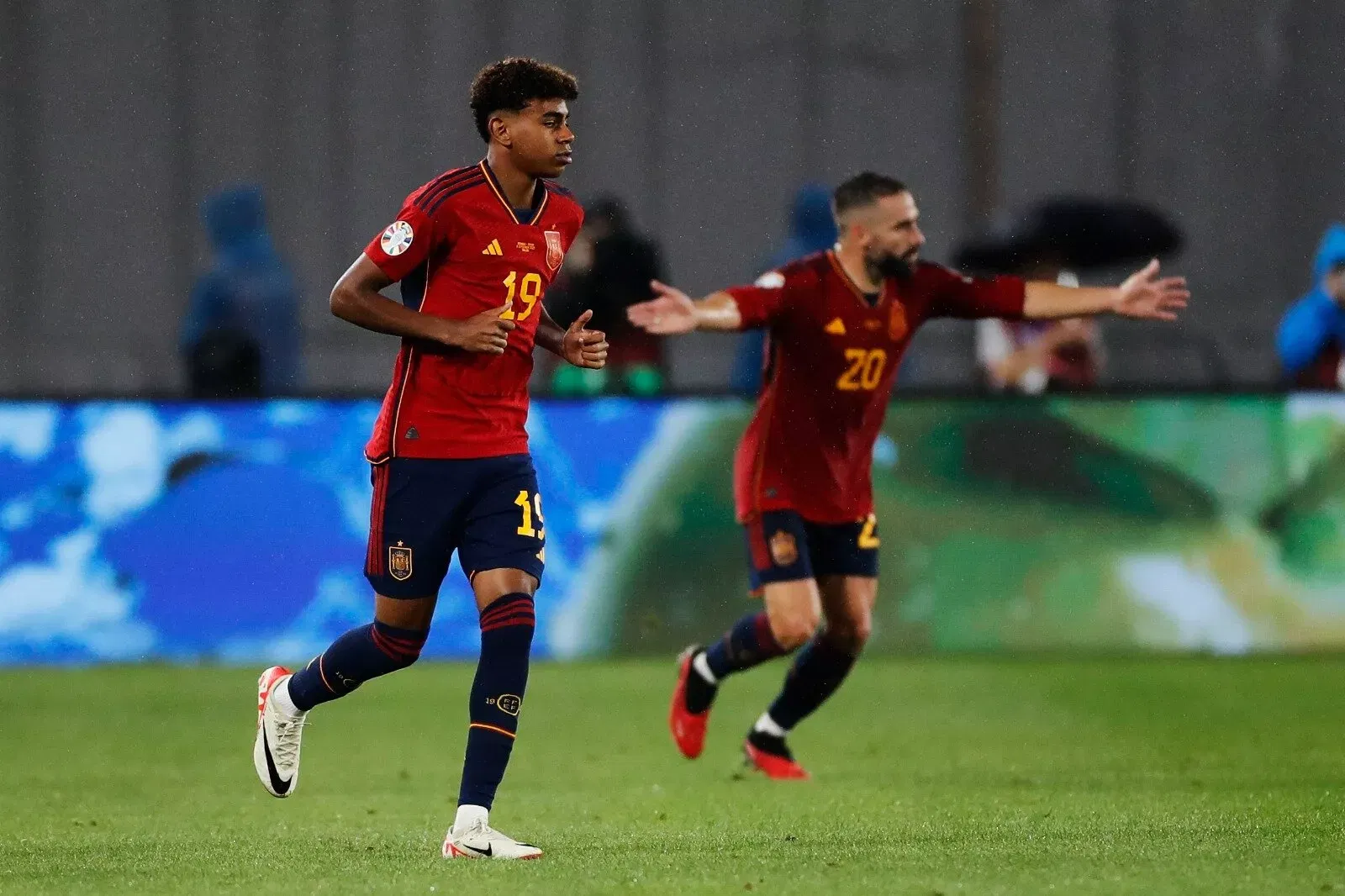
Klinsmann specifically pointed to the current stars of European football, Barcelona's Lamine Yamal and Bayern Munich's Jamal Musiala, as examples of young players who have thrived after being given major responsibility at a young age. He argued that the Italian system would likely have stifled their development.
"If they played in Italy, Lamine Yamal and Jamal Musiala would probably be sent to Serie B to gain experience," Klinsmann stated, highlighting what he sees as a culture of excessive caution and a lack of trust in youth within Italian clubs. He linked this directly to the national team's failure to qualify for the 2022 FIFA World Cup, their third consecutive failure to reach the global tournament.
"Italy is paying the price for a lack of leaders, a lack of players capable of taking on opponents one-on-one, and a lack of confidence in young players," Klinsmann elaborated. He argued that the Azzurri's absence from the World Cup for the second time in a row is a direct consequence of a system that is reluctant to give young, attacking talents the platform to develop at the highest level. According to Klinsmann, this systemic conservatism has resulted in a dearth of on-field leaders and match-winners for the national team.
The former Germany and USA manager’s comments come at a time of deep introspection in Italian football. While the national team is the reigning European champion, its failure to qualify for the most recent World Cup and its absence from the 2018 tournament has sparked intense debate about the development pathways for young Italian talent. Klinsmann’s critique suggests the problem is not a lack of talent, but a cultural and tactical approach within Serie A that may hinder the development of the kind of dynamic, creative players currently thriving in other top European leagues.