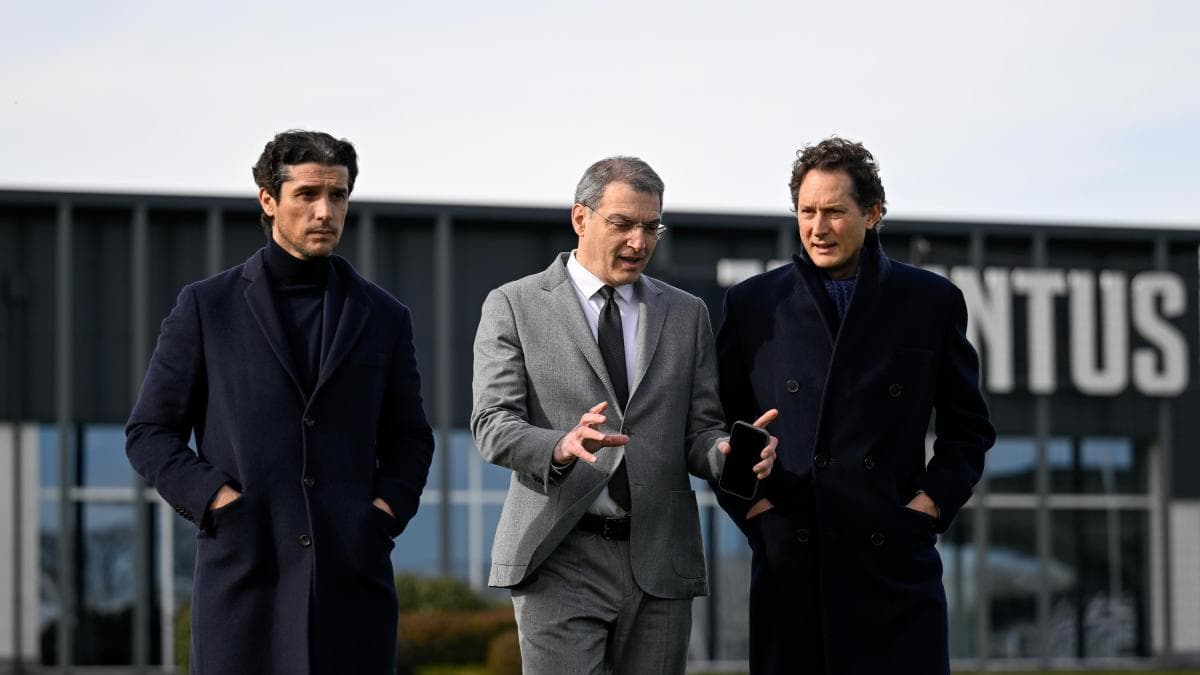
Juventus have spent approximately €15 million on managerial appointments and compensation over the past five years, despite a period of limited on-field success, according to a report published by the Italian financial press. The figures emerged following the recent departure of Damien Comolli from his role as General Manager.
Comolli’s appointment in 2024, following the exit of Cristiano Giuntoli, saw him receive a signing bonus of €950,000, a figure the Juventus board deemed necessary to attract a highly qualified individual to oversee football and revenue strategy. However, his tenure proved short-lived, mirroring a pattern of frequent changes in leadership at the club since 2021, yielding only one Coppa Italia trophy and failing to progress beyond the Champions League round of 16.
The managerial turnover began with the departure of Fabio Paratici in May 2021, marking the end of the Andrea Agnelli presidency and a previously successful era of nine consecutive Serie A titles. Following Agnelli’s resignation in November 2022 amid financial investigations, John Elkann, the head of Exor, assumed greater control over the club’s direction. Maurizio Arrivabene was initially appointed as CEO with sporting responsibilities, earning €2 million gross over a year and a half before being replaced by Maurizio Scanavino.
Scanavino’s compensation totalled €2.6 million across three seasons, while Giuntoli, appointed in July 2023, received around €6 million during his two-year spell, including a severance package. Comolli’s brief tenure, including the signing bonus and projected salary, adds to the substantial financial outlay on management. In the same period, Juventus spent approximately €350 million on player transfers. The club’s financial situation has necessitated four recapitalizations by shareholders, totalling €998 million, to cover losses and fund investments. The report suggests that the issue is not a lack of financial resources but rather their allocation, with the club’s leadership structure proving unstable during a period of underperformance.