Tottenham and Chelsea Struggles Raise Questions Over Premier League Hierarchy
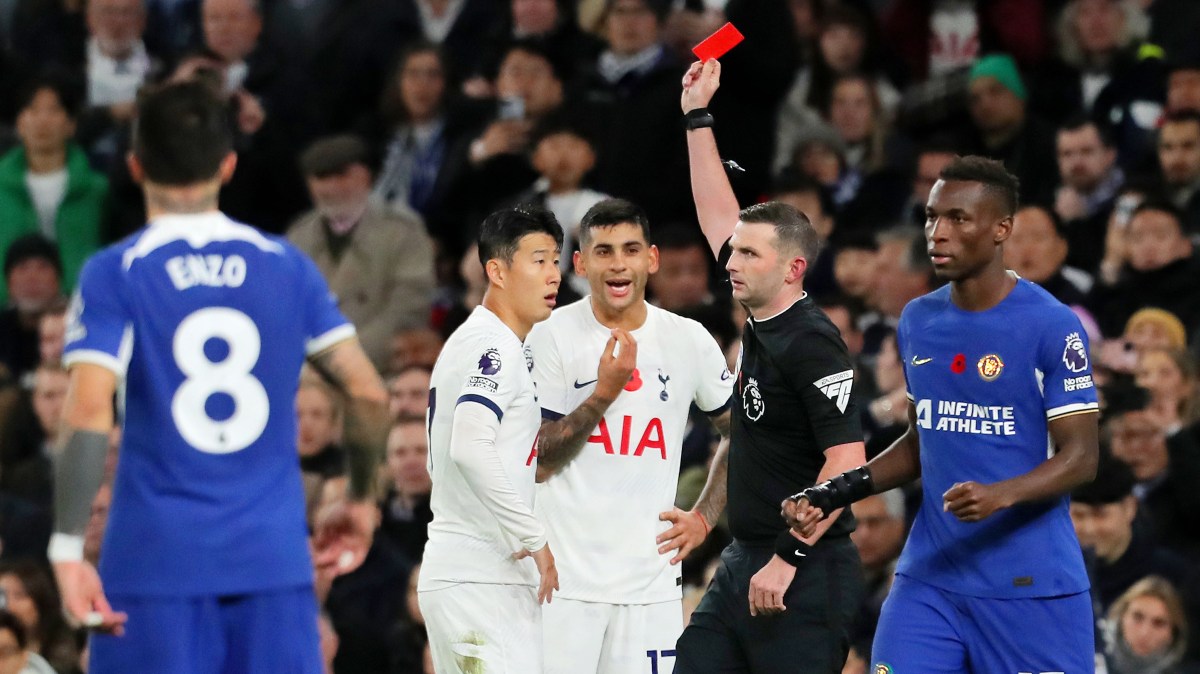
The dramatic underperformance of Tottenham Hotspur and Chelsea this season has sparked a debate over the perceived invincibility of the Premier League's so-called 'Big Six'. According to a detailed analysis, Tottenham, Champions League finalists in 2019, sit 18th in the table, while Chelsea are seventh, with both clubs having cycled through three managers during a tumultuous campaign. The recent dismissal of Chelsea's Liam Rosenior, just four months into his tenure after a defeat to Brighton, underscores the instability.
This collapse challenges the notion that these clubs are 'too big to fail', immune to crisis due to their vast commercial and structural advantages. The situation invites comparison to other historic falls, such as Leicester City's descent from 2016 champions to League One, or Queens Park Rangers' relegation in 2013 with a squad containing established internationals. It suggests that even the most established entities are not guaranteed perpetual success.
Financially, the gap between the Big Six and the rest of the Premier League has widened significantly over the past decade, particularly in commercial revenue. Analysis from Swiss Ramble indicates the top clubs concentrate vastly greater income, with Manchester United posting a record £666.5 million turnover in the 2024-25 season despite finishing 15th. This financial muscle provides a significant buffer, but as this season shows, it does not automatically translate to results on the pitch.
The recent rise of clubs like Newcastle United and Aston Villa, alongside the innovative models of Brighton and Brentford, has begun to test the old order. These clubs have helped reduce the points gap between fourth and tenth place, suggesting a more competitive mid-table. However, consistent challenges for the Champions League places remain rare for outsiders; of the 105 English qualifications for the Champions League since 2000-2001, only nine have gone to clubs outside the traditional Big Six.
The Premier League's relatively equitable distribution of television revenue, where the top earner receives only 1.6 times more than the bottom, supports a more homogenous competition. Yet, the path for an outsider to permanently join or replace a giant requires a perfect storm: missteps in recruitment, ownership instability, and a loss of sporting direction, precisely the issues plaguing Chelsea and Tottenham this season. Their struggles serve as a stark reminder that in football, as Leicester proved, rapid declines are always possible, regardless of past prestige or financial power.