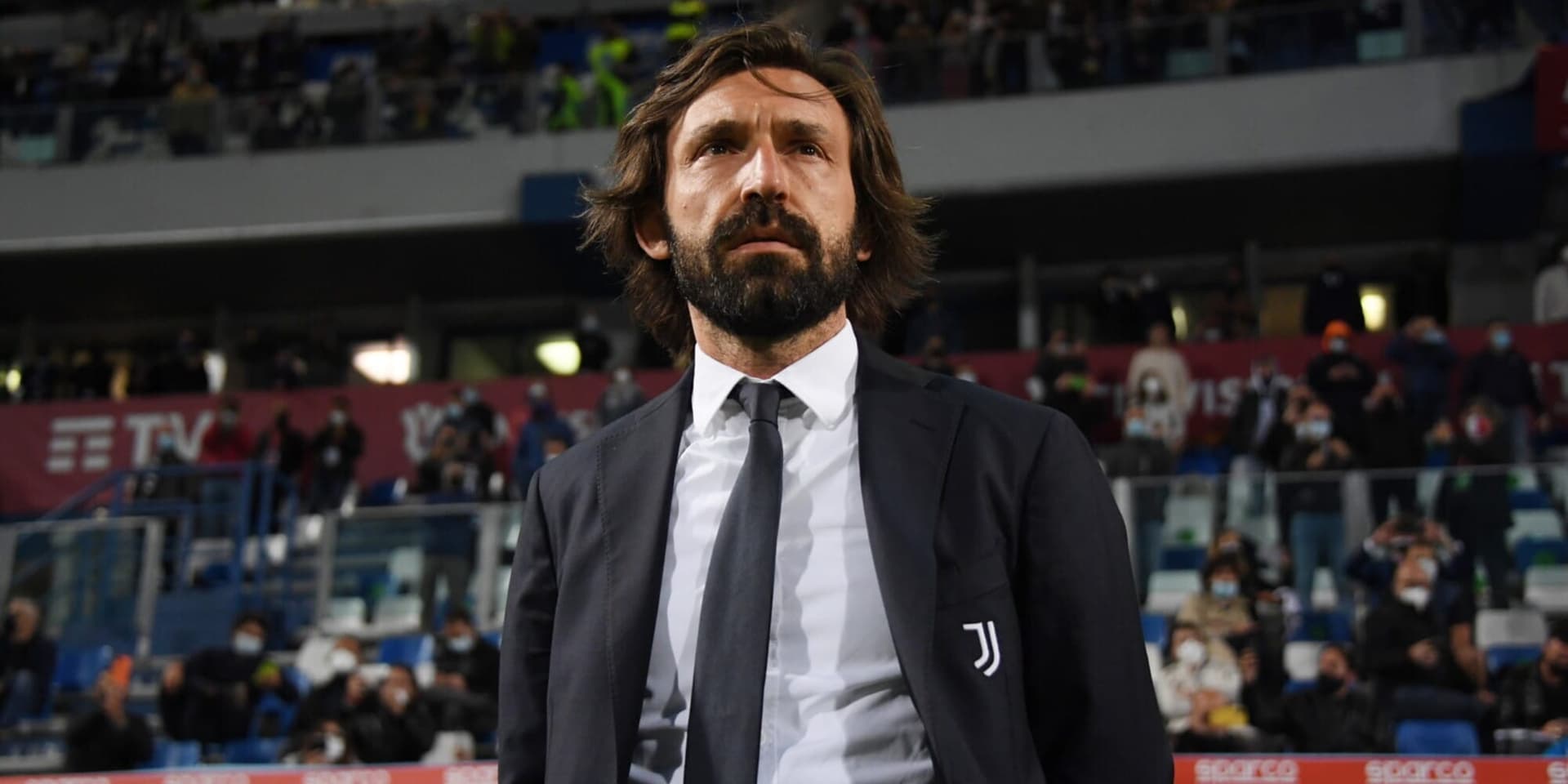
Andrea Pirlo is poised to become the new head coach of the Italy national team, less than a month after discussing the state of Italian football following the nation’s failure to qualify for a third consecutive World Cup. The appointment comes after Italy’s playoff defeat to Bosnia/Erzegovina, a result that underscored the frustration within the country.
Pirlo, 47, had previously expressed a desire to manage in the English Premier League, telling the Daily Mail that it was “the dream of everyone.” He acknowledged receiving offers to manage in England in the past but ultimately chose a different path, one that now leads to the Italian national team setup. He also playfully sidestepped a question about choosing between former teammates Alessandro Del Piero and Francesco Totti, stating both were excellent players who could have played together.
The Italian Football Federation (FIGC) turned to Pirlo after Pep Guardiola was unavailable. Pirlo currently manages United FC, a club based in the United Arab Emirates, and must first negotiate his release from his contract, which runs until June 30, 2027, before officially taking the reins. An announcement is expected by the end of the week, with Roberto Baronio, a former assistant to Pirlo at Juventus, also expected to join the staff.
Pirlo’s appointment is seen as a move to revitalize the Italian national team, which has experienced a period of significant underperformance. He recently described Italy’s situation as a “disaster,” acknowledging the need to rebuild and qualify for future tournaments, starting with Euro 2028 and the subsequent World Cup. Former Italy international Massimo Oddo has voiced his support for the appointment, praising the FIGC’s decision to overlook perceived shortcomings in Pirlo’s managerial record and highlighting his successes at Juventus and in Turkey.
Italy’s immediate focus under Pirlo will be the UEFA Nations League, with matches scheduled against Belgium and Turkey in September and October 2026, followed by further fixtures against France. The appointment signals a clear intention to restore Italy to its former glory and end the period of international disappointment.