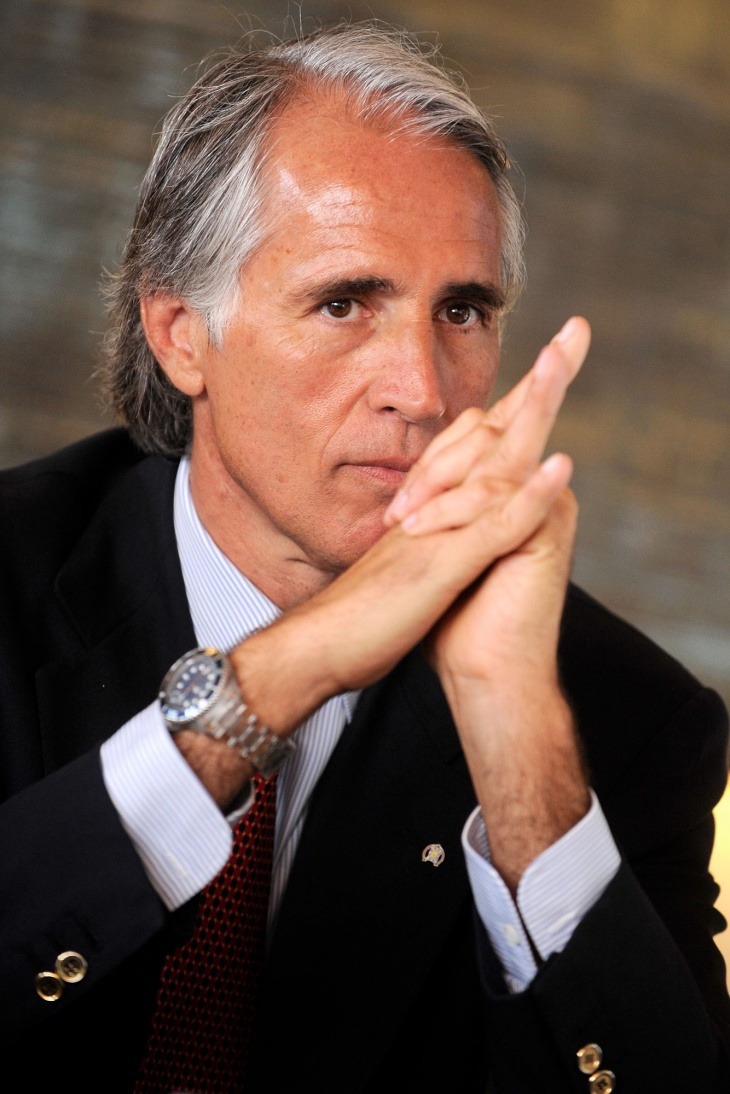
Serie A Backs Giovanni Malagò for Italian Football Federation Presidency
The Serie A league has formally nominated former Italian National Olympic Committee (CONI) president Giovanni Malagò as its candidate for the presidency of the Italian Football Federation (FIGC). The decision was reported by La Gazzetta dello Sport on Monday, marking a significant move in the upcoming leadership contest for the governing body of Italian football.
According to the report, the 20 top-flight clubs united behind Malagò following discussions led by Serie A president Lorenzo Casini. The nomination sets the stage for a pivotal election, as the FIGC seeks a successor to the current president, Gabriele Gravina. The election process is expected to unfold in the coming months, with the vote involving a broad assembly of football stakeholders.
Giovanni Malagò, 68, brings a vast portfolio of sports administration experience to the candidacy. He served as the president of CONI from 2013 to 2023, overseeing Italian sports through multiple Olympic cycles. His tenure was noted for infrastructural projects and navigating the complexities of international sports politics. While his background is not exclusively in football, his high-profile role in Italian sport makes him a formidable contender.
The nomination underscores Serie A's desire for a stronger voice within the federation, particularly on matters concerning the league's commercial growth and its competitive standing in Europe. Clubs have frequently expressed concerns over stadium development, the distribution of television revenues, and the domestic calendar. Backing a candidate of Malagò's stature is seen as a strategy to elevate these priorities at the federation level.
For the FIGC, the arrival of a candidate with Malagò's extensive institutional connections could be viewed as an asset for reforming Italian football's governance and improving relations with governmental and international bodies. However, his candidacy will likely be scrutinized by other factions within Italian football, including the lower leagues and the players' association, who will have their own priorities in the election.
The move comes at a critical time for Italian football, which is enjoying on-field success in European competitions but continues to grapple with long-standing structural and financial challenges off the pitch. The election of the next FIGC president will play a decisive role in shaping the sport's direction in Italy for the next four-year term.