Borussia Mönchengladbach Weighing Polanski's Future, Reports Suggest
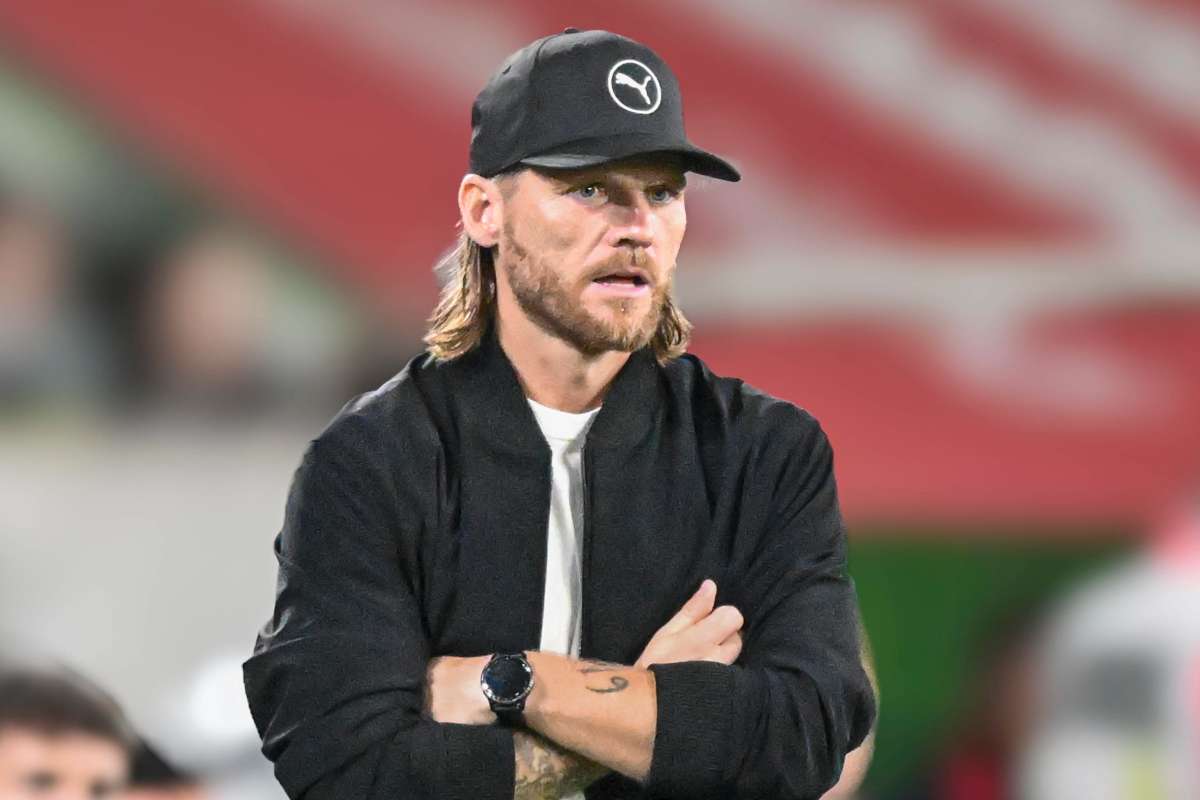
Eugen Polanski's long-term future as Borussia Mönchengladbach coach is reportedly in doubt, regardless of the club's Bundesliga status at the end of the season. According to a report from German outlet Bild, the 40-year-old's position is under scrutiny, and retaining the club's top-flight status may not be sufficient to secure his job beyond this campaign.
Polanski, who was handed a permanent contract until 2028 last November after a successful interim spell, is said to be under pressure to demonstrate a more defined tactical approach. The primary concern, as reported by Bild, is a perceived lack of a clear and coherent game plan from the team under his leadership.
The pressure intensified following Gladbach's recent 2-2 draw at home against bottom-placed 1. FC Heidenheim, a result that did little to dispel concerns about the team's direction under Polanski. The result left the club in 13th place, five points above the Bundesliga relegation playoff spot, a position that offers little comfort to the club's hierarchy.
Internally, there is a reported desire to see a more distinct and proactive style of play, particularly in the attacking phase. The 40-year-old coach, who previously managed the club's under-23 and under-19 sides, is now tasked with not only securing the club's Bundesliga status but also implementing a more recognizable and effective philosophy on the pitch. His initial appointment was met with optimism after he steadied the ship following the dismissal of Gerardo Seoane, but recent performances have raised questions.
The coming weeks will be crucial for Polanski. While the immediate objective is to ensure survival, the club's decision-makers are reportedly looking for signs of a long-term project and a discernible playing identity. The final eight matches of the season will therefore be an audition for Polanski, who must prove he is the man to build a new, more dynamic team beyond the current campaign. The club's leadership is said to be evaluating not just results, but the manner in which they are achieved, as they plan for the future.