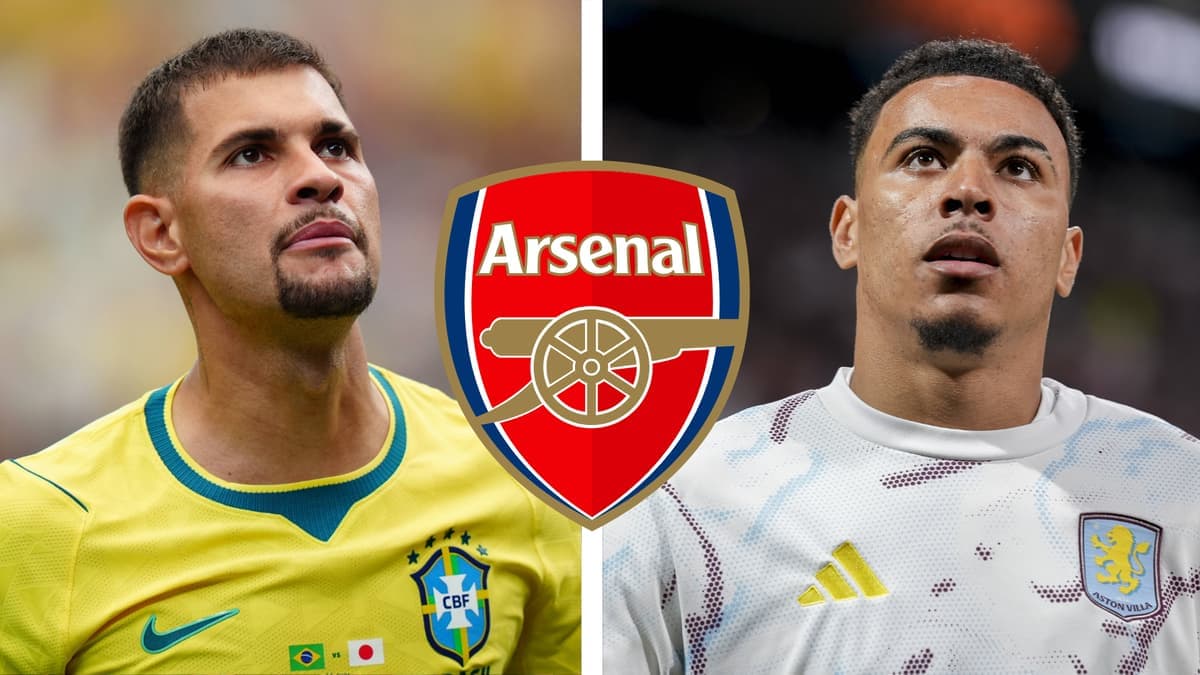
Arsenal are considering making an offer for Aston Villa defender Ezri Konsa, though a significant gap remains between the two clubs’ valuation of the player, according to the Daily Mail. The North London club have shown tentative interest in the England international, as reported by The Telegraph, but Villa are reportedly seeking a fee of €70.5million (£60m) for the 28-year-old.
Arsenal’s interest has been heightened by concerns over the fitness of William Saliba, who has been playing with a back injury for several weeks. BBC Sport understands that surgery is being considered for Saliba, potentially ruling him out for a prolonged period. This has prompted Arsenal to explore options for defensive cover.
Konsa enjoyed a successful summer with England at the World Cup, helping the team secure a third-place finish – their best result since 1966. He even scored in England’s 6-4 victory over France in the bronze final. The centre-back has established himself as one of the Premier League’s most consistent performers during his time at Villa Park.
Konsa played a vital role in Aston Villa’s Europa League triumph last season, the club’s first European trophy since 1982. Since joining from Brentford, he has made 286 appearances for Villa, scoring 12 goals, and has earned 28 caps for the England national team. His performances under Unai Emery have significantly increased his market value.
The potential move for Konsa comes after Chelsea successfully secured the signing of Konsa’s Aston Villa teammate, Morgan Rogers, for a fee of €137m (£117m). Arsenal were also interested in Rogers, according to The Athletic, but the player favoured a move to Stamford Bridge. Rogers’ valuation also reportedly exceeded Arsenal’s expectations, facilitating Chelsea’s successful bid. Rogers is set to sign a six-year contract with Chelsea following a medical examination.
Should Arsenal be able to negotiate a lower fee with Villa, Konsa would provide valuable depth and quality to their defensive options, particularly in light of Saliba’s injury. However, bridging the valuation gap remains the primary obstacle to a potential transfer.