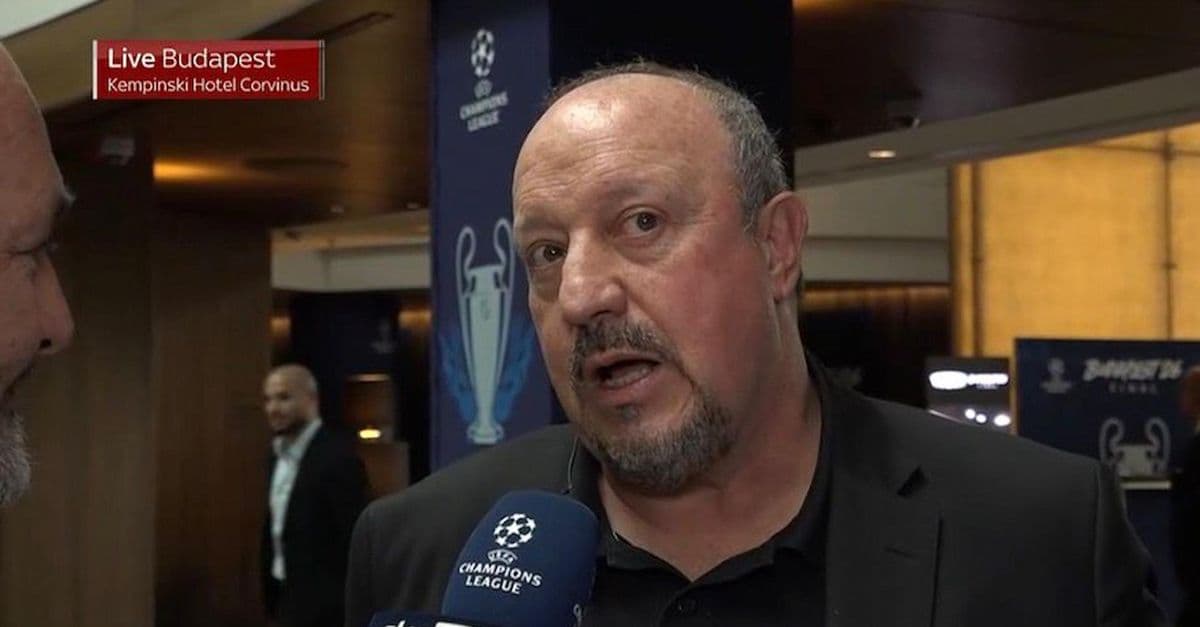
Rafa Benitez has stated he did not initially envision Cristian Chivu as a future coach during their time together at Inter, but acknowledges the Romanian’s intelligence and the strength of his current team are contributing factors to his success. The comments came during an interview with Sky Sport in Budapest ahead of the Champions League final between PSG and Arsenal.
Benitez, who managed Inter during the 2010-11 season, was discussing potential managerial appointments and the rise of young Spanish coaches when Chivu’s name came up. He explained that while Chivu was a smart player, he hadn’t immediately identified him as possessing the qualities of a coach. According to Sky Sport, Benitez suggested that a coach’s success is heavily reliant on both their own acumen and the quality of the players at their disposal.
Chivu is currently managing Inter, having taken over the team in December 2023 after Simone Inzaghi’s departure. His appointment was met with some surprise given his relative lack of managerial experience, but he has guided the Nerazzurri to a strong finish in Serie A, securing the title with five games to spare. Prior to his role as Inter manager, Chivu served as a coach within Inter’s youth system, gaining experience with the Primavera squad.
Benitez, who recently concluded his tenure at Panathinaikos, also expressed his interest in potentially managing the Italian national team in the future, stating he would “surely” accept the role if offered. He also praised Napoli’s appointment of Massimiliano Allegri, highlighting De Laurentiis’s shrewdness in securing a manager with significant experience following the departure of Antonio Conte. Benitez believes Allegri’s experience was crucial for maintaining a high level of performance after Conte’s successful spell at the club.
Benitez’s comments offer an interesting perspective on the evolving landscape of coaching and the importance of both tactical knowledge and interpersonal skills. Chivu’s success at Inter demonstrates that former players can transition into effective managers, even if their potential wasn’t immediately apparent during their playing careers.