Chelsea have set an asking price of €81 million (£70 million) for defender Malo Gusto, according to reports from Italy, as Manchester City emerge as potential suitors. The France international joined the Blues from Lyon in 2023 and has since made 134 appearances for the club, contributing to their UEFA Conference League and FIFA Club World Cup triumphs in 2025.
Gusto has proven to be a versatile asset for Chelsea, featuring as both a right-back and left-back, and even in a central midfield role under former manager Enzo Maresca. This adaptability has drawn the attention of Manchester City, particularly with Maresca poised to take the helm as their new head coach. Exploratory talks have reportedly taken place between Gusto’s representatives and City officials.
Chelsea are simultaneously pursuing Atalanta defender Marco Palestra, with a fee exceeding €50 million (£43 million) reportedly agreed for the 21-year-old. Italian journalist Luca Cerchione, who initially reported Chelsea’s interest in Palestra, also claims the London club would consider offers of €76 million (£65 million) for Gusto, slightly lower than the €86 million (£75 million) valuation previously cited by BBC Sport.
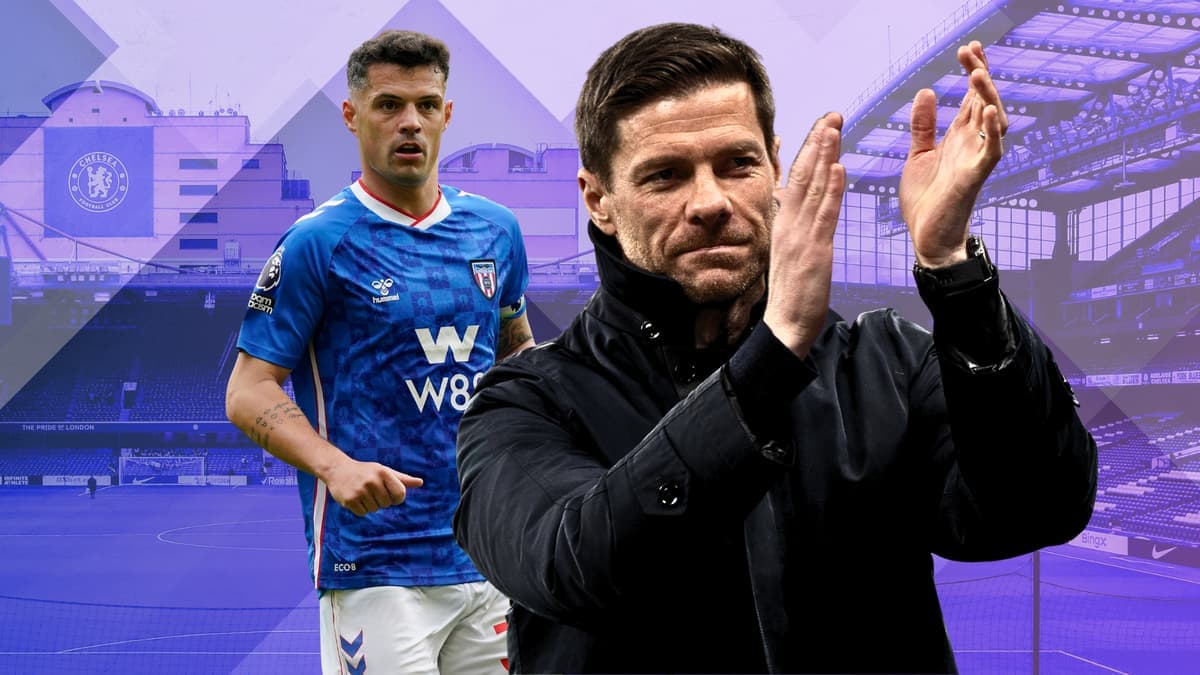
Further complicating matters, Chelsea are also reportedly interested in Sunderland midfielder Granit Xhaka. Cerchione claims Bayer Leverkusen, managed by Xabi Alonso, have submitted a €30 million (£25.8 million) bid for the 33-year-old. Xhaka, currently with Switzerland at the World Cup, previously worked with Alonso at Leverkusen and is reportedly open to a reunion. However, BBC Sport understands Sunderland are reluctant to sell Xhaka, who was instrumental in securing Europa League football for the club after a seventh-place Premier League finish.
The pursuit of Xhaka signals a potential shift in Chelsea’s transfer strategy. Since the takeover by Todd Boehly and Behdad Eghbali in 2022, the club has focused on acquiring young talent. However, following a disappointing 10th-place finish in the Premier League and a high number of red cards, Eghbali acknowledged the need for a more balanced approach, incorporating “ready-made players” to provide leadership and experience.