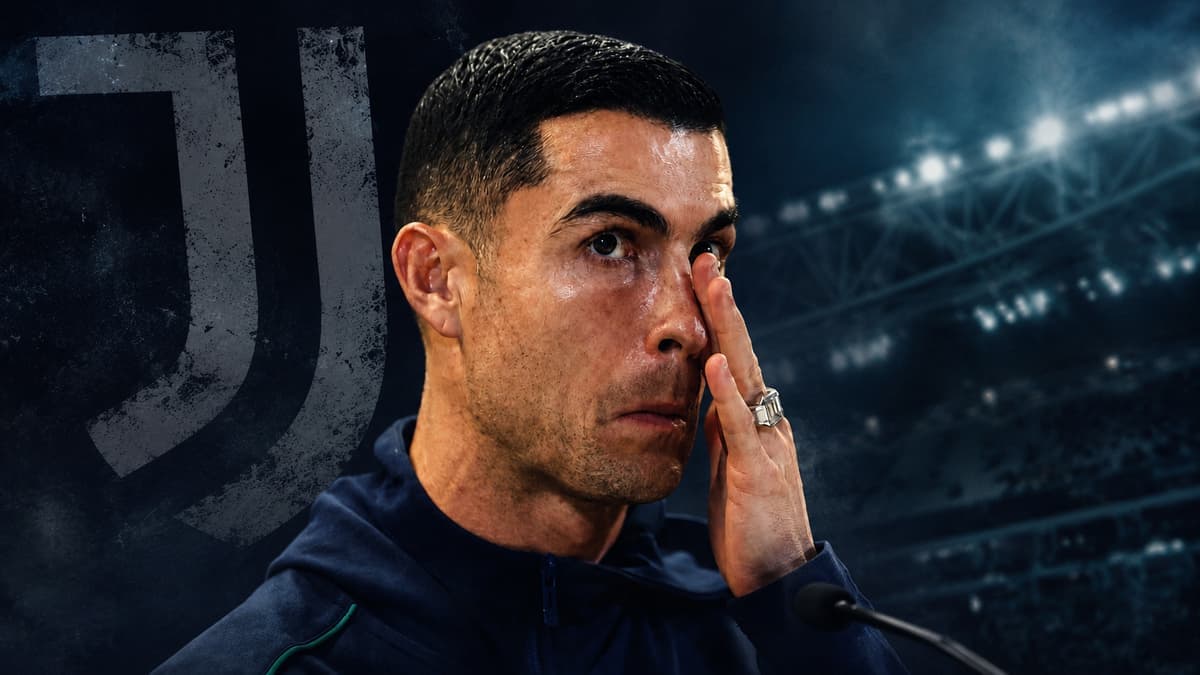
Cristiano Ronaldo’s €117 million transfer to Juventus in 2018 was met with internal resistance from then-CEO Beppe Marotta, who has since revealed his disagreement with the move. Marotta stated that the club’s ownership ultimately pushed through the deal despite his reservations, adding, “When the ownership takes a step forward, the manager must take a step back.”
Ronaldo, now 41 and playing for Al-Nassr, departed Real Madrid after nine seasons with the Spanish giants, a move that initially surprised many observers. Juventus invested heavily in both the transfer fee and the player’s wages, hoping to finally secure Champions League success. While Ronaldo individually flourished in Turin, becoming the first player to score 100 goals for the club, the team’s performance did not match the investment.
During his three seasons with Juventus, the club was eliminated from the Champions League by Ajax, Lyon, and Porto. Domestically, Juventus’ decade-long reign as Serie A champions was also broken, failing to secure an eleventh consecutive title in Ronaldo’s final season. However, the most significant impact of the transfer proved to be financial.
A KPMG report highlighted the financial risk undertaken by Juventus, noting that the club was unable to fully capitalize on the investment due to the onset of the COVID-19 pandemic, which hampered commercial revenue growth. Juventus recorded a €199 million loss in the 2023/24 financial year and continue to grapple with the repercussions. The club sold Ronaldo back to Manchester United in 2021 for just €17 million, incurring a staggering €100 million loss on the initial transfer fee. Marotta’s initial concerns ultimately proved to be justified, as the Ronaldo transfer significantly contributed to the club’s financial difficulties. The move, while exciting for fans, may have ultimately hindered Juventus’ long-term stability and competitiveness.