Klinsmann criticises Italy's youth development after World Cup failure
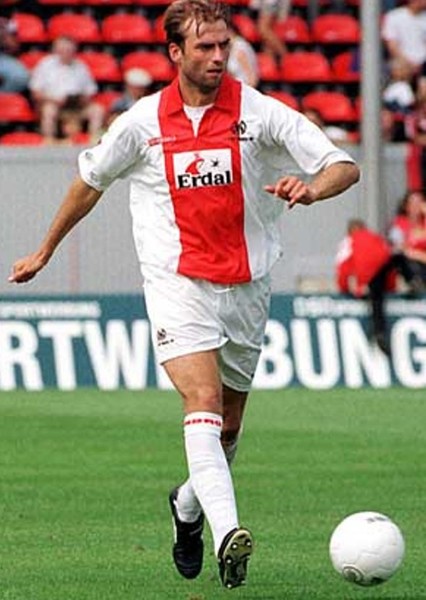
Former Germany international Jürgen Klinsmann has criticised Italy's approach to developing young players, suggesting it is a key reason behind the national team's ongoing crisis. The comments come after Italy failed to qualify for a third consecutive World Cup, prompting analysis of the systemic issues within Italian football.
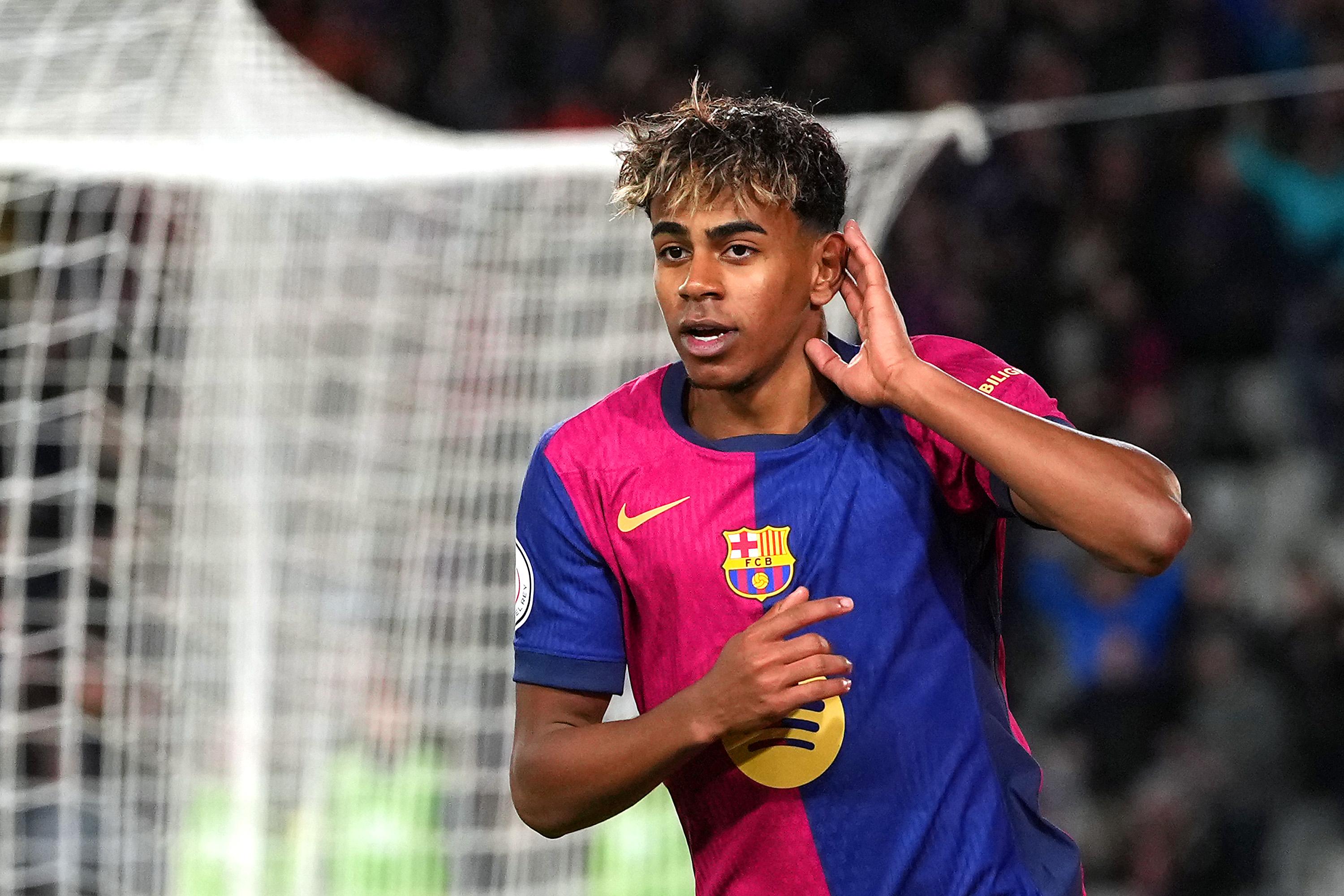
Speaking to Brazilian broadcaster Raí, Klinsmann, who played for Inter Milan and Sampdoria during his career, argued that Italian clubs are overly cautious with their brightest talents. The 1990 World Cup winner starkly claimed that prodigies like Barcelona's Lamine Yamal and Bayern Munich's Jamal Musiala would likely be sent to Serie B to gain experience if they were playing in Italy. "Italy pays the price for a lack of leaders, a lack of players capable of taking on opponents one-on-one, and a lack of confidence in young players," Klinsmann said, according to the interview.
Klinsmann's analysis points to a perceived cultural difference in player development between Italy and other major European leagues. In Spain, Yamal became a regular for Barcelona at the age of 16, while Musiala was integrated into Bayern Munich's first team as a teenager after moving from England. Their rapid ascents contrast with a more traditional Italian pathway that often involves lengthy loan spells in the lower divisions before a player is deemed ready for top-flight football.
The former striker linked this club-level conservatism directly to the national team's recent failures. The absence of a new generation of confident, technically gifted leaders has left the Azzurri struggling in crucial qualifying matches. While Italy won the European Championship in 2021, that triumph was built on a cohesive team unit with experienced players, masking a longer-term shortage of emerging individual stars.
Klinsmann's remarks have ignited debate about the direction of Italian football. Serie A clubs have increasingly focused on financial stability and tactical pragmatism, which can sometimes come at the expense of giving creative young players the freedom to develop through mistakes in the first team. The success of youth-centric models in other countries now serves as a pointed comparison. For the Italian football federation, addressing this development gap is becoming an urgent priority as they seek to rebuild a competitive national side for the 2026 World Cup cycle.