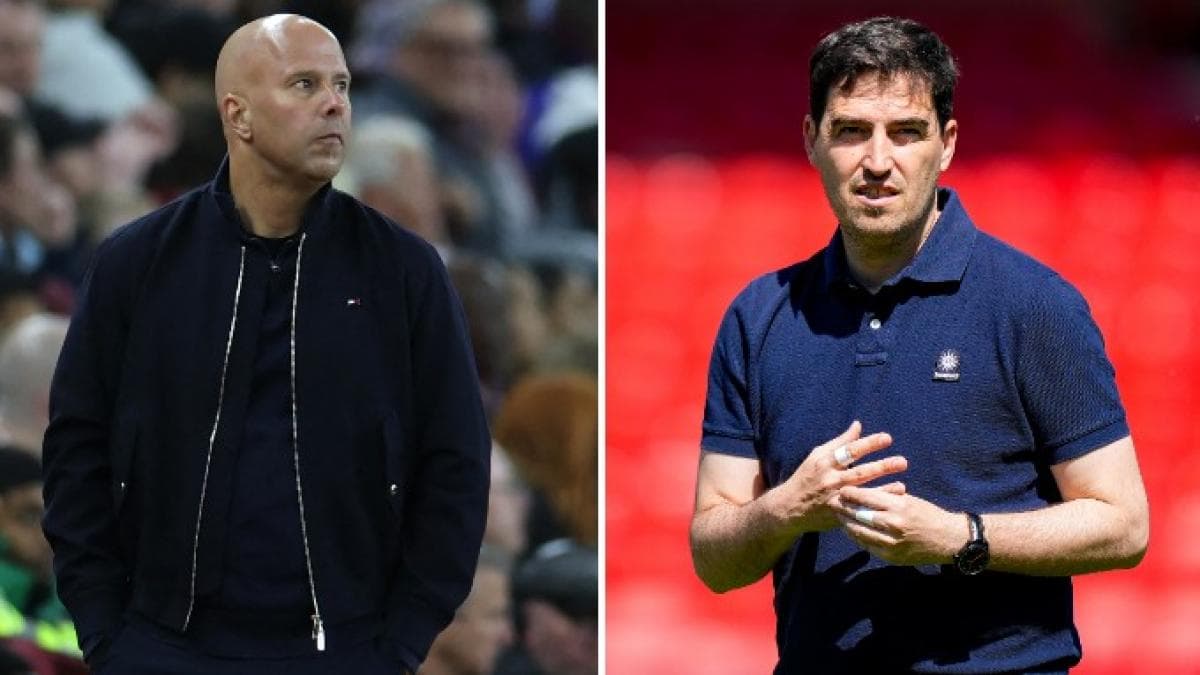
Juventus manager Massimiliano Allegri and club president John Elkann held a meeting at the club’s training ground, Continassa, to address a frustrating period following the team’s failure to qualify for the Champions League. Club CEO Damien Comolli described the season as “failure,” though Elkann acknowledged positive aspects of Allegri’s work since his arrival in November, praising the team’s progress and the squad he assembled despite inheriting a previous management’s players.
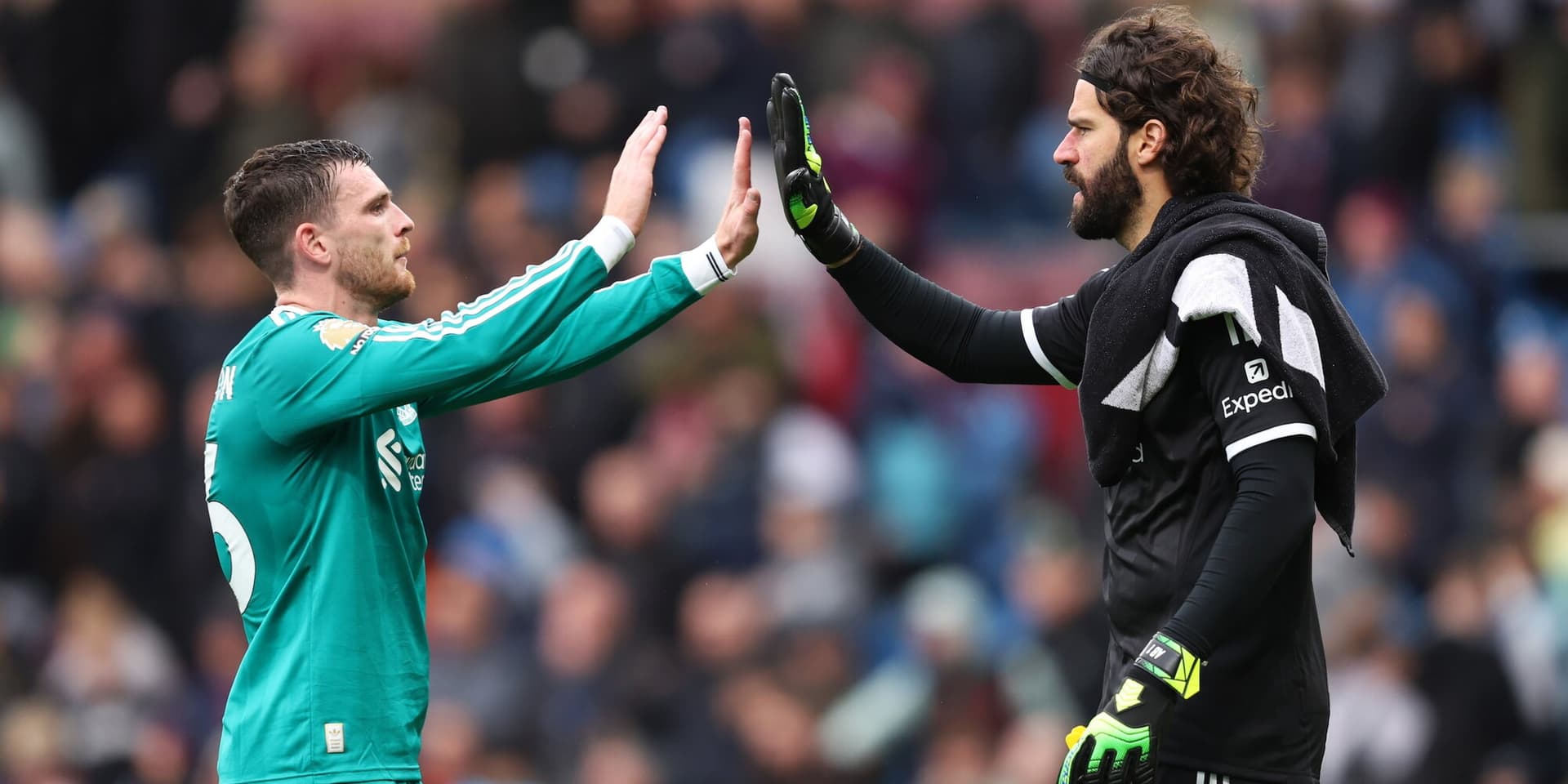
The meeting focused on the need for significant squad reinforcements – reportedly five to six players – and a critical assessment of recent transfer activity. Both Allegri and Elkann were reportedly surprised by the collapse of deals for Liverpool goalkeeper Alisson and Scotland international left-back Andrew Robertson. Juventus had given Alisson time until after the World Cup to push for a move, but Liverpool remained firm in their stance. Robertson’s potential transfer fell through due to a breakdown in negotiations between Juventus’s transfer team and the player’s representatives, with the player ultimately opting for a move to Tottenham Hotspur.
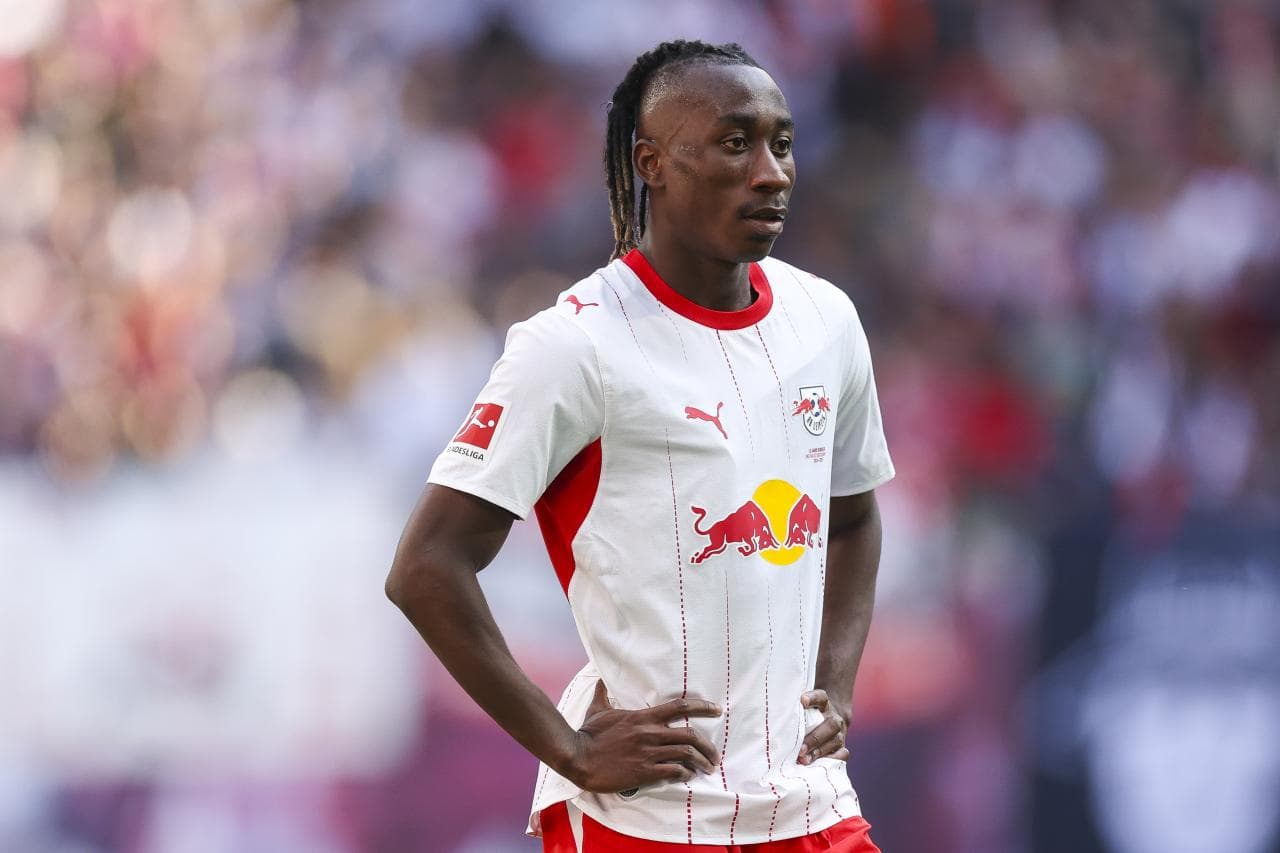
The failed pursuits of Alisson and Robertson echo a similar situation in January with Moroccan forward Youssef En-Nesyri, further highlighting concerns over the club’s transfer strategy. Elkann and Allegri emphasized the need for a more streamlined and effective approach to player recruitment, demanding “concrete” results and fewer missed opportunities. Comolli’s position as CEO was reaffirmed, but with a clear warning that further errors will not be tolerated.
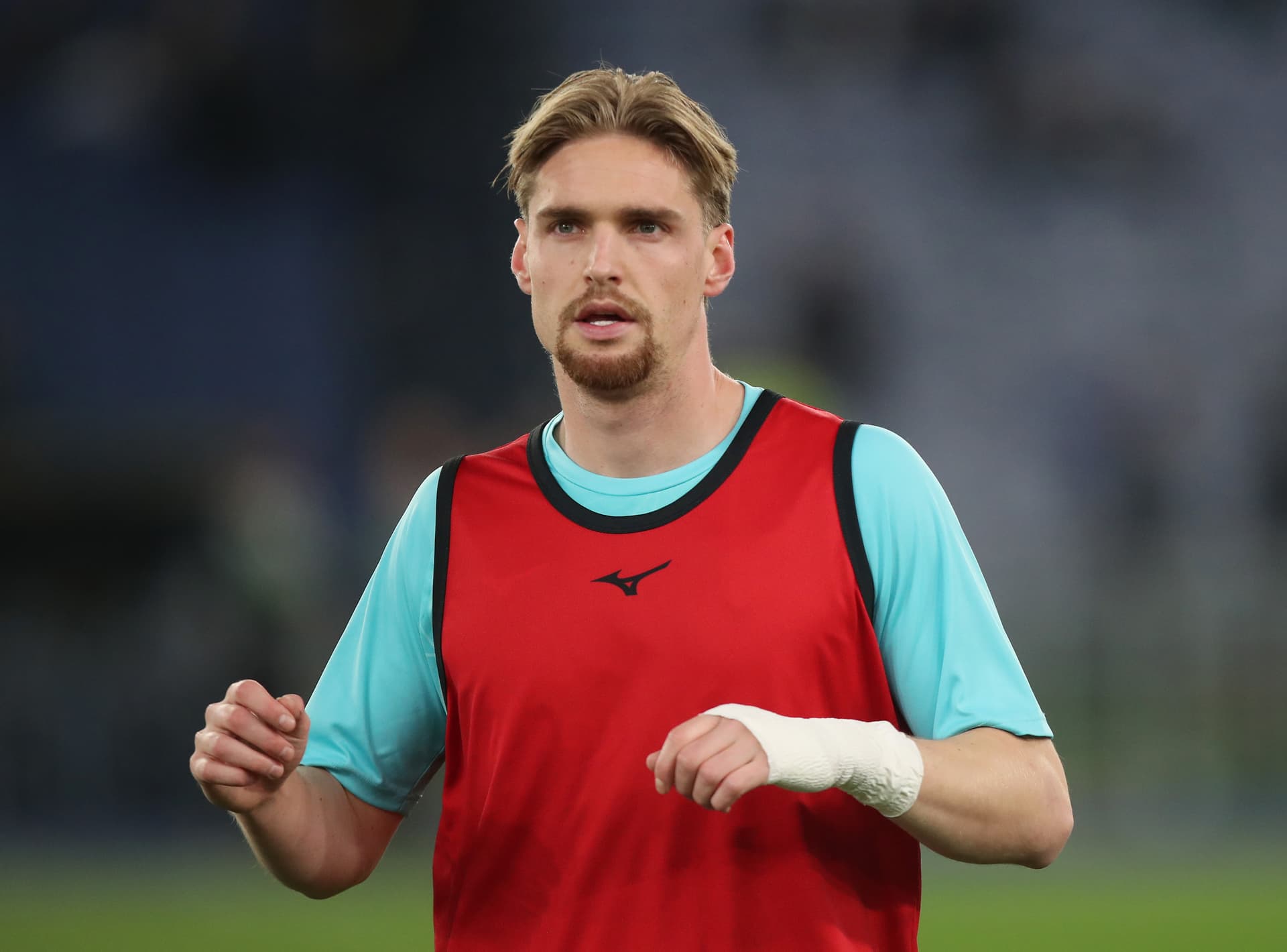
Allegri reiterated his desire to be centrally involved in transfer decisions, collaborating closely with the board on identifying targets and assessing player suitability. Elkann supported this vision, emphasizing the importance of having a dedicated footballing figure at the club. The club is also bracing for the likely departure of Dusan Vlahovic, with his contract renewal deemed financially unfeasible given the club’s current economic constraints. Juventus’s spending review, mirroring a trend among other Italian clubs, is a key factor influencing transfer strategy. This situation requires a focus on scouting and a controlled player pipeline, avoiding reliance on algorithms or third-party intermediaries.
The board has tasked Comolli with delivering tangible improvements to the squad, with funds generated from player sales being allocated to new signings. The focus is on acquiring players who bring both quality and experience to the team. Allegri has been granted time to work with the club, but expects swift and decisive action in the transfer market. The failed moves for Alisson and Robertson serve as a stark reminder of the need for improved efficiency and a more successful transfer window.