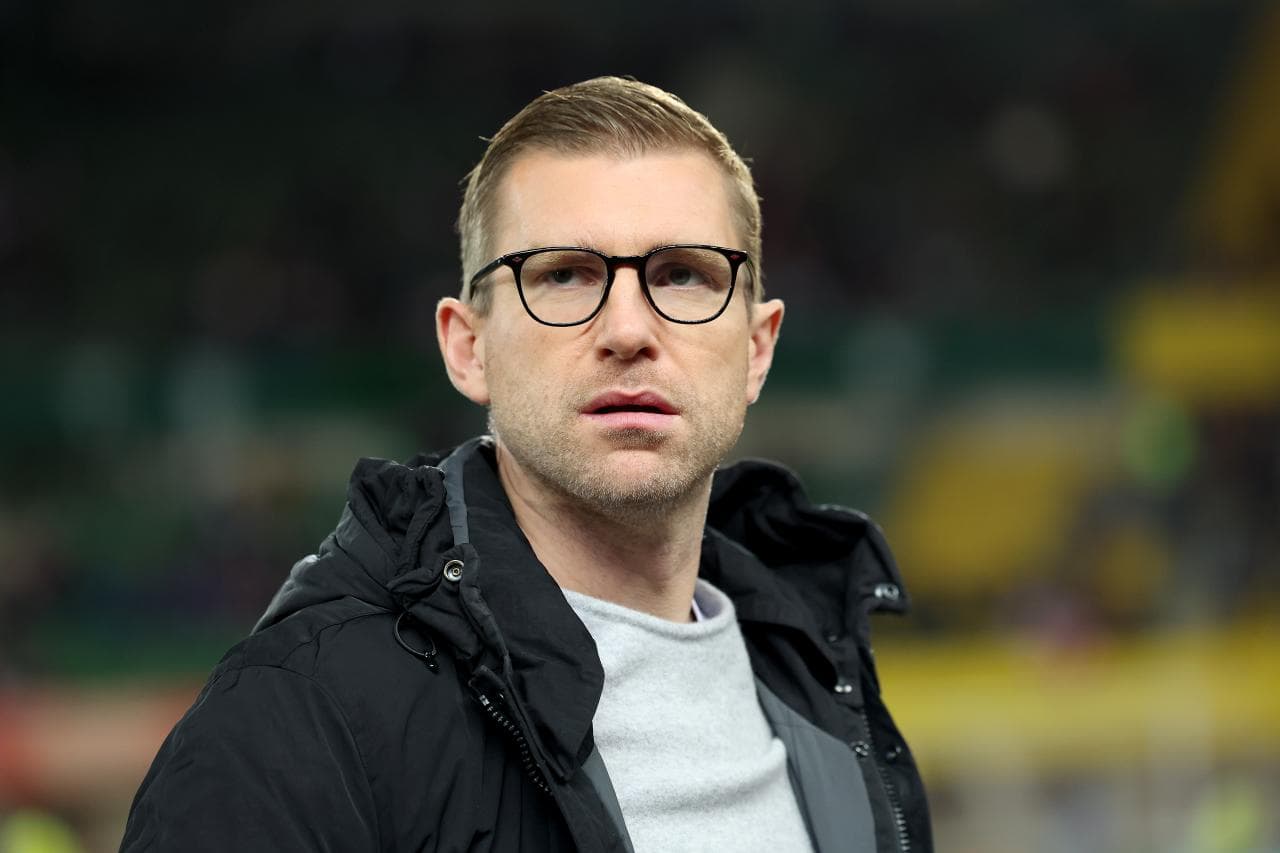
Per Mertesacker has indicated his willingness to take on a position with the German Football Association (DFB), stating he would be happy to contribute to German football after a distinguished playing and administrative career. The 2014 World Cup winner revealed his openness during discussions surrounding the future leadership of the DFB, adding he would be available if asked to take on responsibility.
Mertesacker’s comments arrive as the DFB navigates a period of change, currently seeking a replacement for departing sporting director Andreas Rettig and heavily linked with Jürgen Klopp as a potential candidate to manage the national team. The former centre-back recently concluded his eight-year tenure as head of Arsenal’s academy, bringing to a close a 15-year association with the Premier League club.
During his time overseeing Arsenal’s youth setup, Mertesacker earned widespread acclaim for nurturing young talent and establishing a robust long-term academy structure. Players developed under his guidance have progressed into the first team and attracted attention from other clubs, solidifying his reputation as a successful academy director. He had previously enjoyed a successful playing career with Werder Bremen and Arsenal, earning 104 caps for Germany.
Despite expressing his interest in a future role with the DFB, Mertesacker clarified that he does not intend to immediately re-enter football administration. He is currently fulfilling broadcasting commitments as a pundit for ZDF during the FIFA World Cup and plans to take a period of rest and reflection following his departure from Arsenal. “I also wanted to take some time after 15 years at Arsenal…to reflect on everything I experienced there,” he stated.
While no formal discussions with the DFB have been reported, Mertesacker’s public expression of interest signals a potential pathway for his return to German football. His experience both on the pitch and in academy management could prove valuable to the DFB as they seek to revitalise their approach to developing the next generation of German players. His potential involvement could provide stability and expertise during a period of transition for the national team and the wider footballing structure.