Tottenham confirm De Zerbi's backroom staff as Maldera departs
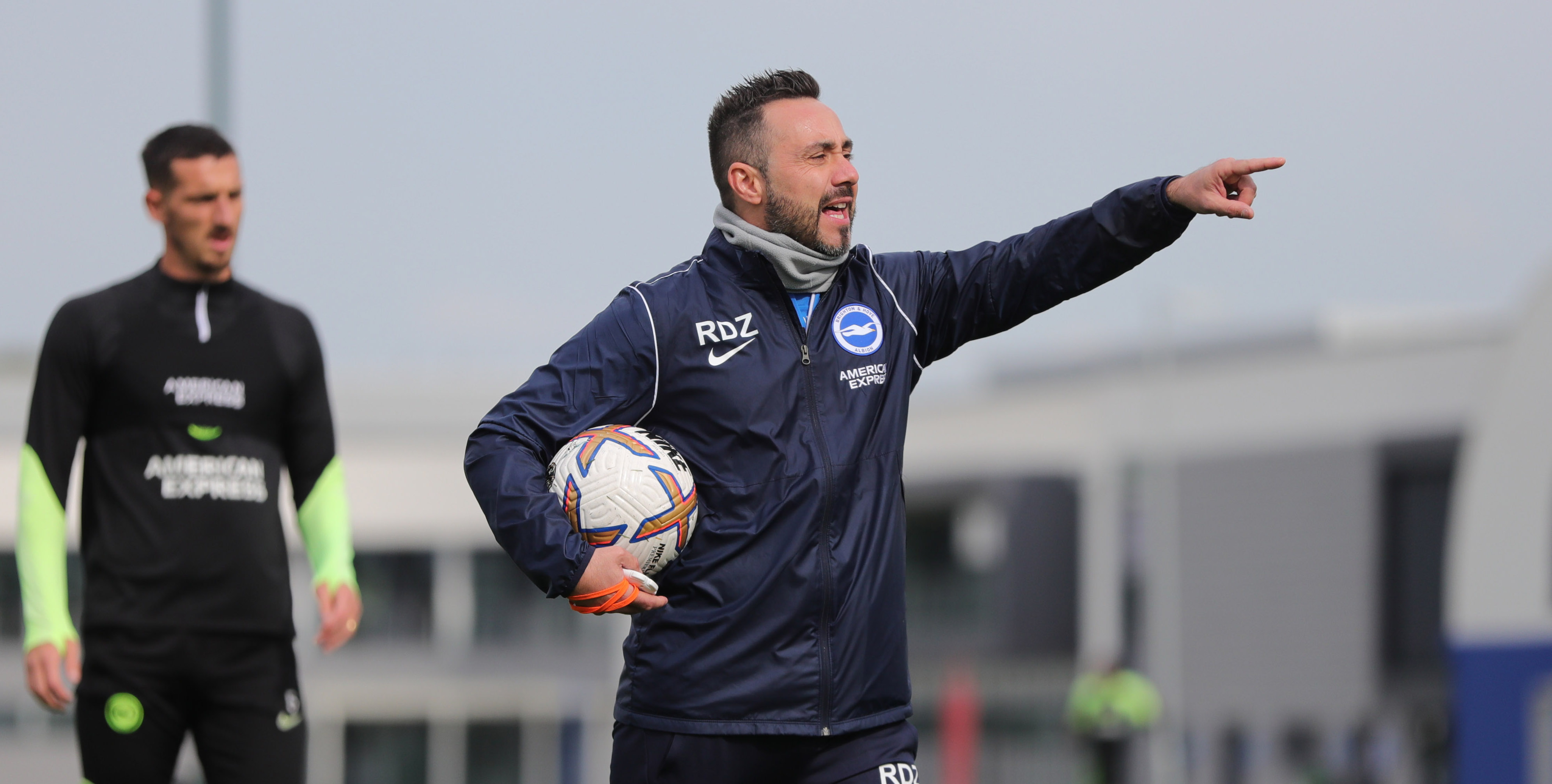
Tottenham Hotspur have confirmed the composition of Roberto De Zerbi's new backroom staff, with the notable absence of his long-time assistant Andrea Maldera. The club officially announced the full coaching structure on Wednesday, following the Italian manager's appointment at the end of March.
The new head coach, who took charge at the Tottenham Hotspur Stadium on March 31, has opted for a blend of existing club staff and a select few of his own trusted personnel. According to the club's official announcement, De Zerbi will be supported by a team that includes several holdovers from the previous coaching setup, as well as two key members from his previous roles.
Bruno Saltor, Andreas Georgson, Cameron Campbell, Fabian Otte, Stuart Lewis, and Dean Brill have all been retained from the previous coaching staff. However, De Zerbi will be without his long-time assistant Andrea Maldera, who will not be continuing the journey with him to North London. Maldera had worked alongside De Zerbi at both Brighton and Marseille.
In terms of new arrivals from De Zerbi's inner circle, only two of his seven former staff members from his tenures at Brighton and Marseille will be joining him at Tottenham. Marcattilio Marcattilii will join as a fitness coach, while Marcello Quinto will take on the role of Head of Player Development. This represents a significant streamlining of De Zerbi's usual team, suggesting a degree of integration with the existing club structure.
The confirmation of the backroom staff marks a significant step in De Zerbi's early tenure, allowing the manager to finalise his preparations for the new season. The decision to retain several members of the previous coaching setup, including first-team coach Ryan Mason, indicates a desire for some continuity. The appointments of Marcattilii and Quinto, however, ensure that De Zerbi has key, trusted personnel in critical areas of physical preparation and player development. The absence of Maldera, a key lieutenant for many years, is the most significant change to De Zerbi's typical support structure.