West Ham file FIFA complaint over Wan-Bissaka's absence after DR Congo celebrations
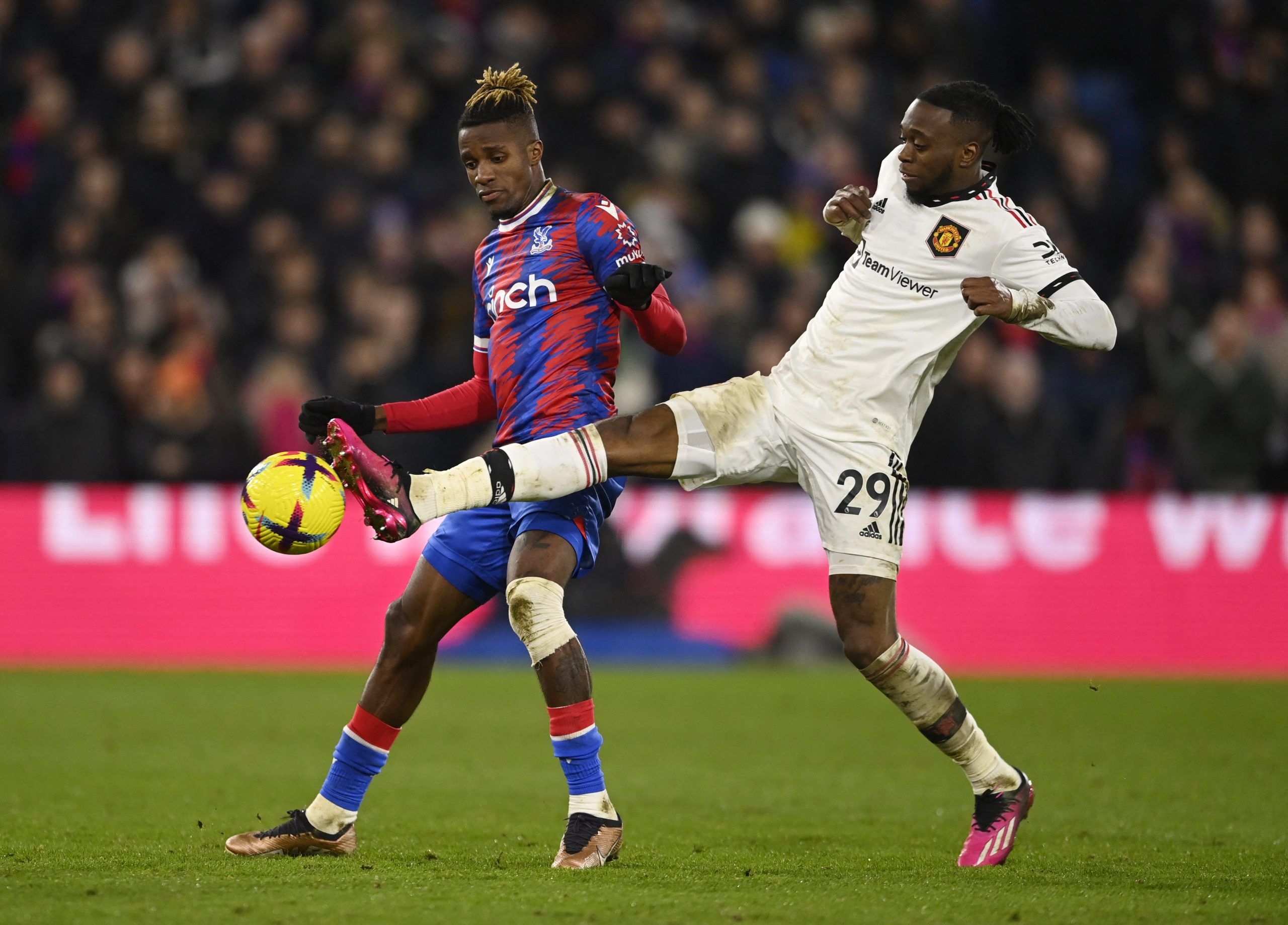
West Ham United have lodged a formal complaint with FIFA after defender Aaron Wan-Bissaka failed to return to the club in time for their FA Cup quarter-final defeat to Leeds United. According to a report from The Athletic, the Premier League club alleges that the Congolese football federation (FECOFA) did not release the right-back in time to travel back to London ahead of the match, which West Ham lost 4-2 on penalties following a 2-2 draw.
The issue stems from celebrations in Kinshasa following the Democratic Republic of Congo's qualification for the 2026 World Cup, their first since 1974. After securing their place with a 1-0 playoff victory over Jamaica, FECOFA organized public festivities in the capital, where players, including Wan-Bissaka, were pictured celebrating with president Felix Tshisekedi. The Athletic reports that West Ham did not authorize Wan-Bissaka to remain in the country for these events and had arranged a flight for his return, but the player did not board the plane.
Wan-Bissaka was not the only European-based player involved. French clubs Lens and Lille are reportedly in a similar situation with their Congolese internationals, Arthur Masuaku and Chancel Mbemba, respectively. This suggests a coordinated decision by the federation to retain the players for the national celebrations, setting up a potential multi-club dispute with FIFA. The global governing body's regulations stipulate that clubs are obligated to release players for official international matches during designated windows, but the period for additional celebrations falls into a grey area.
The 26-year-old Wan-Bissaka, who joined West Ham from Manchester United in the summer of 2024, has been a regular starter for David Moyes's side. His absence forced a reshuffle in defence for a crucial cup tie, with the club now eliminated from the competition. The complaint escalates a matter of player release into a formal legal challenge, testing the boundaries between national team obligations and club commitments outside of official fixtures.
For West Ham, the immediate sporting consequence is clear: they progressed no further in the FA Cup without a key defender. The longer-term implication hinges on FIFA's interpretation of the release rules and whether any sanction could be applied to the federation or the player. The case highlights the increasing tensions clubs face during international breaks, especially when historic achievements lead to extended celebrations. A resolution from FIFA will be sought by all parties involved to clarify protocols for future similar events.