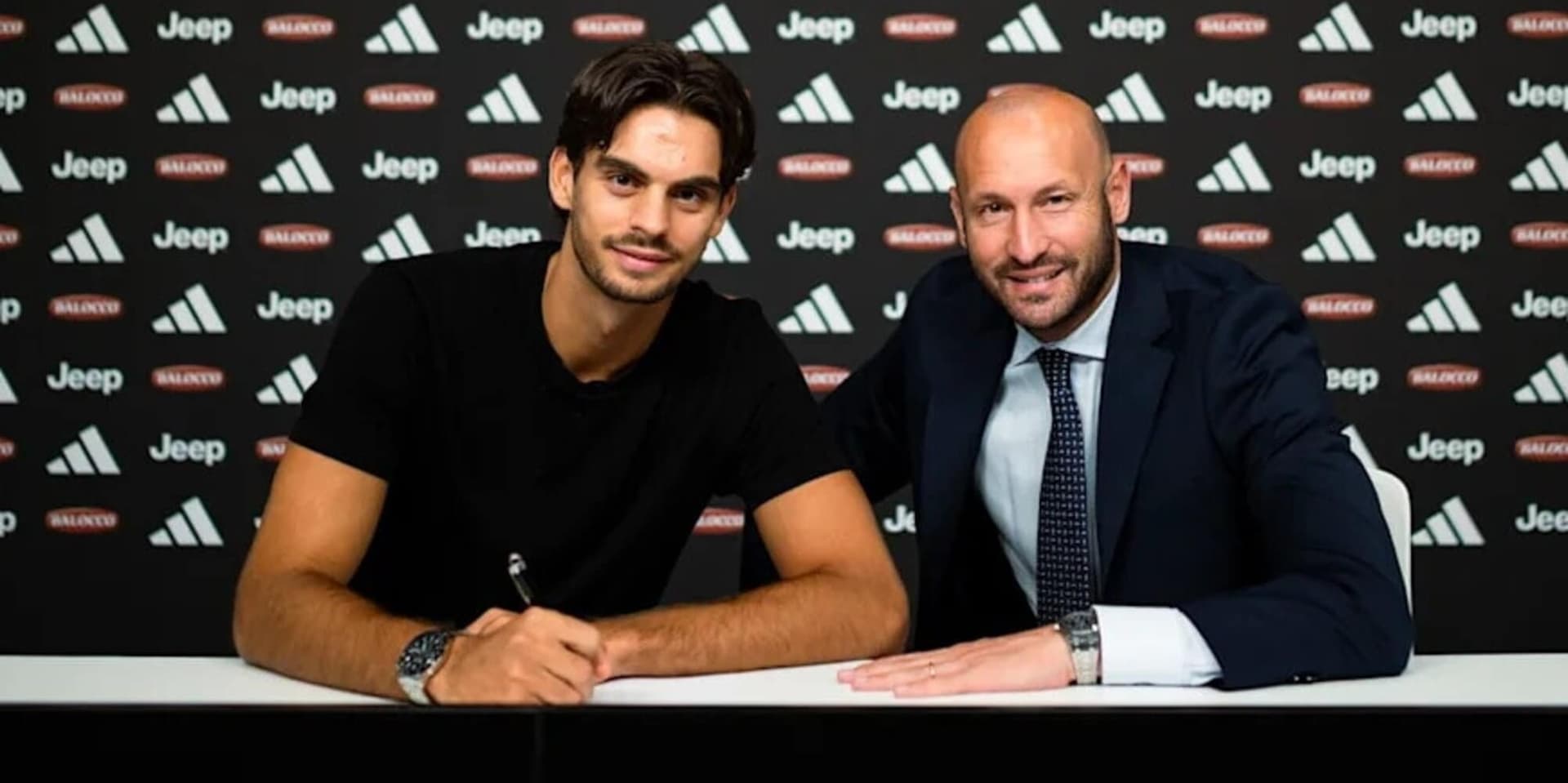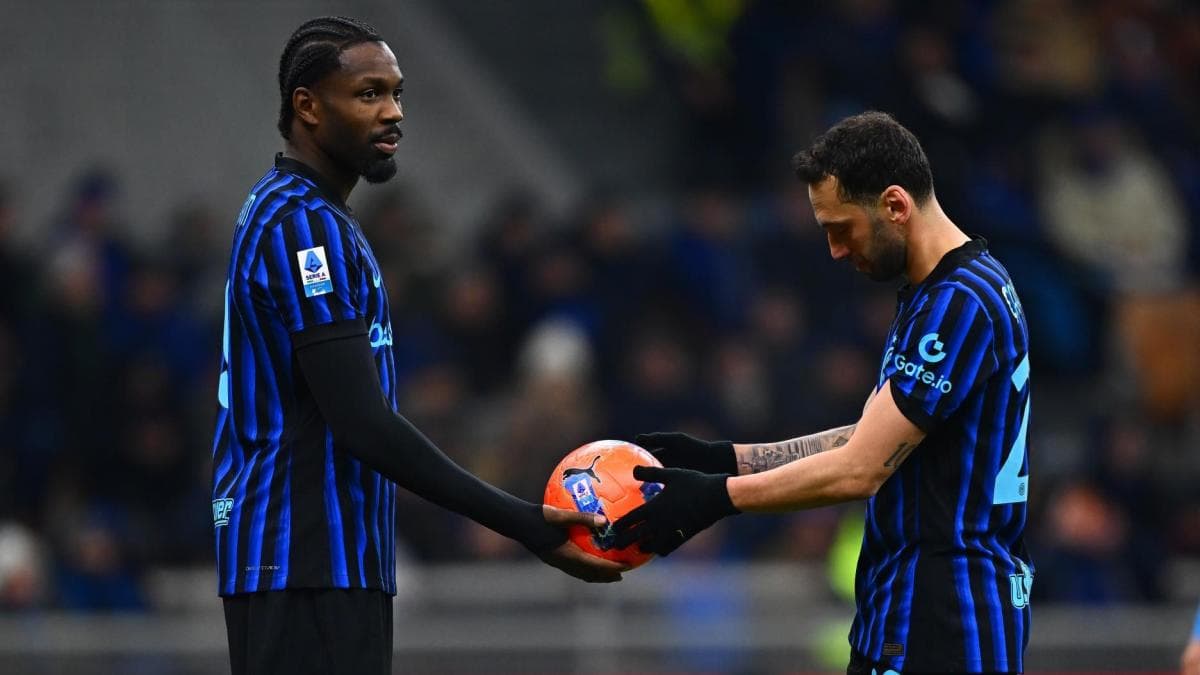
Inter Milan, under new ownership from Oaktree, are set to discontinue their recent strategy of signing players on free transfers, a practice that has yielded notable successes in recent seasons. According to reports from Italian journalist sources, the club will move away from acquiring players whose contracts have expired, such as Marcus Thuram and Hakan Calhanoglu, and instead focus on younger talent.
This shift in policy comes as Oaktree seeks to implement a more Americanized approach to transfers, prioritizing players under the age of 25—with Manuel Akanji being the sole exception last summer—and limiting the financial outlay on wages for older, established free agents. While the club has previously benefited from bringing in experienced players without a transfer fee, the associated agent commissions are reportedly a point of contention for the new ownership group.
The current Inter squad features five players who arrived following the expiration of their previous contracts: Alessandro Di Gennaro, Hakan Calhanoglu, Piotr Zielinski, Henrikh Mkhitaryan, and Marcus Thuram. Despite the success of players like Calhanoglu, who has become a key figure in midfield, the club appears to be moving away from this model. Previous owner Zhang’s tenure frequently saw the acquisition of free agents, with varying degrees of success. Andre Onana, for example, generated a net profit of over 50 million euros for Inter after just one season, while Stefan de Vrij provided years of solid defensive leadership.
Former Inter sporting director Beppe Marotta, who also employed this strategy at Juventus—bringing in players like Andrea Pirlo, Paul Pogba, and Dani Alves—will need to adapt to the new direction. However, Oaktree’s decision signals a clear change in transfer philosophy, potentially impacting the club’s recruitment strategy in the coming transfer windows. The change aims to avoid significant agent fees and focus on building long-term value through younger players. This shift could influence Inter’s ability to attract established free agents in the future, but is intended to create a more sustainable financial model.