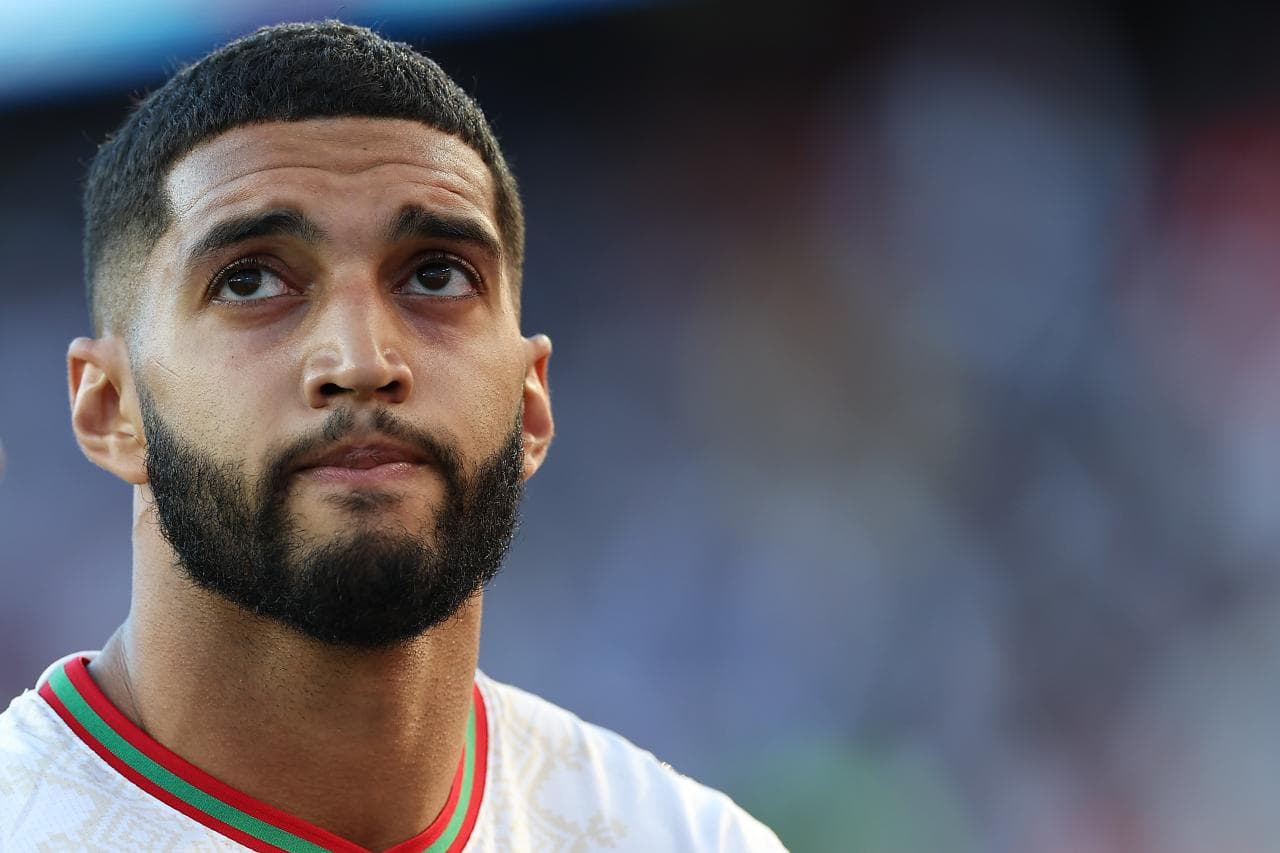
AC Milan have officially announced the signing of Goncalo Ramos from Paris Saint-Germain in a club-record deal, a move that significantly impacts Liverpool’s transfer plans. The Rossoneri have paid €74 million for the Portuguese forward, surpassing their previous record of €49.5m spent on Rafael Leao, according to reports.
Ramos, a two-time Champions League winner with PSG, struggled to establish himself as a consistent starter under Luis Enrique, often finding himself behind other attacking options. Despite his status as a backup in Paris, Milan were keen to secure his services, believing new head coach Ruben Amorim can unlock his potential as a leading number nine. The 25-year-old reportedly gave the green light to the move while currently participating in the World Cup.
The transfer has a ripple effect, potentially funding PSG’s pursuit of RB Leipzig winger Yan Diomande. With Ramos’ departure creating space in the squad and freeing up funds, PSG president Nasser Al-Khelaifi is in direct talks with Red Bull CEO Oliver Mintzlaff regarding a deal for the Ivorian. Leipzig have publicly stated Diomande is not for sale, but a fee exceeding €120m could prove tempting, according to sources.
Liverpool are the biggest losers in this developing situation. The Reds were heavily interested in signing Diomande this summer and had a €100m bid rejected by Leipzig. However, Sky Germany report that Liverpool will not be submitting a new offer after Diomande indicated his preference for a move to PSG. New Liverpool head coach Andoni Iraola has been informed that the club’s pursuit of the winger is now over.
Adding to Liverpool’s frustration, The Athletic reports that PSG have also ruled out the sale of Bradley Barcola, who was identified as an alternative to Diomande. PSG reportedly value Barcola similarly to Elliot Anderson, who is nearing a move to Manchester City for €134m, making him the most expensive British player in history. Ramos’ move to Milan is therefore the catalyst for a chain of events that leaves Liverpool short of options in the attacking midfield area.
This transfer saga highlights the interconnected nature of the European transfer market and the challenges clubs face in securing their primary targets.